








| 18 Sept. |  |
09:00 - 10:30 | ||
 |
|||||||
| ADVANCED MATERIALS | |||||||
 |
|||||||
| ENERGY & ENVIRONMENT | |||||||
| TT.IX - Technical Parallel Track Sessions | |||||||
| Beyond Lithium Batteries: Sustainable Systems for the Electrochemical Storage of Energy | |||||||
| Co-organised with ... in definition Chair: in definition |
|||||||
|
One of the major problems related to diffuse use of lithium-based batteries is the long-term sustainability due to the relatively low availability of lithium in the known reserves and the generally high risk of flammability of these energy storage devices in operative conditions. For these reasons, it appears amply motivated the search of alternatives based on earth-abundant, non-toxic materials and safer configurations in the research ambit of electrochemical storage systems. In this context some emerging technologies have been recognized, e.g. sodium-ion, redox flow and solid-electrolyte based batteries the use of which is particularly crucial for the stabilization of energy grids based on renewable sources. In the scientific literature the dedication of several special issues to the subject of sustainable energy storage systems beyond lithium batteries is a clear indication of the concerns generated by the extended use of lithium batteries. Among alternatives the most promising one is represented by sodium-based batteries that operate in an analogous mode to lithium-ion batteries but offer a cost-effective solution for grid-scale storage through the installation of stationary BESS (battery energy storage systems) and present a relatively high thermal tolerance. Other systems of interest are based on potassium, zinc and calcium (metals with very low values of redox potential) which represent earth-abundant materials. In general for a sustainable battery production the issue of advanced recycling methods is of primary importance and in the design of alternative batteries such an aspect must be taken carefully into account. This session is open to all young researchers that consider as primary interests the development of cost-effective batteries, safety of the batteries in the operative conditions and under conditions of controlled stress, sustainability of mass production and make use of nanotechnologies for improving these latter points. The session considers also the aspect of the use of the artificial intelligence for control purposes, accuracy in prediction of performance and estimation of the battery state. |
|||||||
| The symposium is part of FE.I | |||||||
| TT.IX.F.1 FE.I.17.1 |
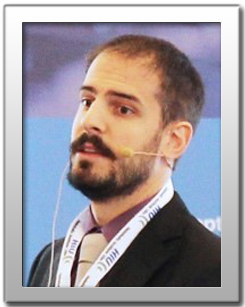
Introductive Keynote Gioele PAGOT - CV University of Padua From Electrical Response to Ion Transport Mechanisms in Polymeric and Hybrid Electrolytes for Beyond-Lithium Batteries |
 |
|||||
| TT.IX.F.2 FE.I.17.2 |
in definition |  |
|||||
| TT.IX.F.3 FE.I.17.3 |
in definition | |
|||||
| TT.IX.F.4 FE.I.17.4 |
in definition | |
|||||
| TT.IX.F.5 FE.I.17.5 |
in definition | |
|||||
 |
Back to Fields & Topics | Back to Plan 18 September |  |