






| SIGN UPS ARE OPEN! Grab here one of the forty places now! | NEWSLETTER | |||||
| THE LEARNING SHIFT A Digital Forge Camp for Learning and Teaching Innovation 16 - 17 September |
| Organized by: |
 |
| go to "Digital Forge Camp" |
| SYNOPSIS |
|
Innovation in university teaching is the point where three transformations, so far separate, converge: the availability of open, documented research data; the spread of artificial intelligence tools in the hands of teachers and students alike; and the European and national demand for competences that can be certified and updated over an entire working life. None of the three concerns a single discipline, and none of the three is settled by a refresher course on tools. Addressed first of all to doctoral candidates and early-career researchers, The Learning Shift starts from a precise challenge: those who produce new knowledge must also be able to make it learnable, verifiable, accessible and transferable. This community occupies a decisive position between research, teaching and the professions: today it contributes to producing knowledge; tomorrow it will be called upon to teach it, communicate it, assess it and turn it into competences. The Digital Forge Camp format turns this challenge into an intensive, collaborative environment. Over four half-days, data, papers, protocols, cases and research questions become material for designing learning experiences. Vision talks, demonstrations and cross-disciplinary exchange take participants from the research object to the learning object, up to the definition of observable and recognisable results. The school explores how open data, documented according to the FAIR principles (findable, accessible, interoperable, reusable), can feed new teaching practices; how AI can support design, tutoring, feedback and assessment while keeping responsibilities and choices visible; and how micro-credentials and other forms of certification can make competences legible and open to updating. It is the FAIR principles that make a research object reusable by those who did not produce it: the technical condition of the passage to the learning object. Methods, languages, technologies, accessibility and participation are treated as parts of the same ecosystem. The Learning Shift creates a space in which experiences born in different disciplines meet, cross-fertilise and become shared heritage. A shift from individual practice to the collective capacity to innovate university teaching, preparing a new generation of researchers able to produce knowledge and put it into circulation. |
| THE TRAJECTORY From the research object to the learning object — from evidence to competence. |
|
Four half-days, eight blocks of ninety minutes, sixteen lessons of forty-five minutes. Forty places, free of charge, assigned through public selection on the basis of curriculum, motivation and coherence of the applicant’s path. No age requirement operates as an exclusion — earlier career stages are given priority — and the selection attends to gender balance, to the plurality of institutions represented and to participation from the regions of southern Italy. The progression is deliberate. It starts from what can be seen working — two demonstrators and the discipline that feeds them; it goes back to the methodological foundation that makes them possible, the FAIR data object; it moves on artificial intelligence, from the way a model is built to what it does in a classroom; and it closes with the conditions that make a result learnable and recognisable: immersive environments, quality, accessibility and certification. Three threads run across the modules rather than occupying a slot of their own: the FAIR condition that makes a research object reusable, the accessibility of what is produced, and the recognition of competence — micro-credentials, Open Badges and the evidence that has to sit behind them. The lesson abstracts, published with the final programme, indicate where each of them is addressed. |
| The school programme | ||||||||
| Time | Lesson (indicative title) | |||||||
| Module 1 · Wednesday 16, morning — What can be seen working: two demonstrators and the aerospace case | ||||||||
| 09:00 09:45 | Playground 1 · RITA: an AI study companion grounded in the course materials Andrea STERBINI Sapienza University of Rome |
 |
||||||
| 09:45 10:30 |
Playground 2 · VM2026: CAD and CFD simulation as a learning environment Renato PACIORRI Sapienza University of Rome |
 |
||||||
| Long break — demonstrations at the four workstations, in groups and networking | ||||||||
| 11:30 12:15 |
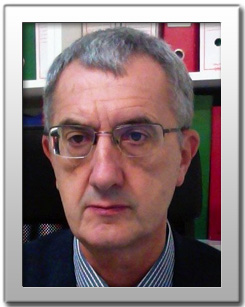
The responsible use of AI in aerospace Mauro VALORANI Sapienza University of Rome |
 |
||||||
| 12:15 13:00 |
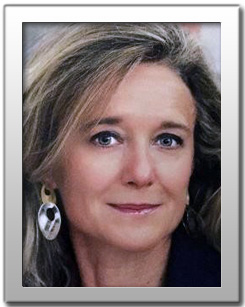
Title to be announced Maria Rosaria LANCIA Sapienza University of Rome |
 |
||||||
| Light lunch — demonstration workstations staffed | ||||||||
| Module 2 · Wednesday 16, afternoon — FAIR data as the infrastructure of knowledge | ||||||||
| 14:00 14:45 |
The FAIR principles: findable, accessible, interoperable, reusable (speaker to be announced) |
 |
||||||
| 14:45 15:30 |
Metadata, controlled vocabularies and persistent identifiers (speaker to be announced) |
|
||||||
| Coffee break — demonstration workstations open | ||||||||
| 16:00 16:45 |
Data Management Plans and the life cycle of research data (speaker to be announced) |
|
||||||
| 16:45 17:30 |
Repositories, licences, interoperability and reuse; FAIRness indicators (speaker to be announced) |
|
||||||
| Module 3 · Thursday 17, morning — Artificial intelligence: from the model to the classroom | ||||||||
| 09:00 09:45 | Building Multimodal AI in Europe: from Supercomputers to Trustworthy Models Lorenzo BARALDI University of Modena and Reggio Emilia |
|
||||||
| 09:45 10:30 |
One AI, multiple places, multiple times: an introduction to federated and continual learning Angelo PORRELLO University of Modena and Reggio Emilia |
|
||||||
| Long break — demonstrations at the four workstations, in groups and networking | ||||||||
| 11:30 12:15 |
Simulation and digital twins as learning environments: from traffic modelling to Smart Road implementation (title to be confirmed) Gaetano FUSCO Sapienza University of Rome |
|
||||||
| 12:15 13:00 |
How an Agent is Born: Architecture, Structural Limits and Data Governance in Generative AI Systems (title to be confirmed) Simone SCARDAPANE Sapienza University of Rome |
|
||||||
| Light lunch — demonstration workstations staffed | ||||||||
| Module 4 · Thursday 17, afternoon — Making it learnable: immersive environments, quality and recognition |
||||||||
| 14:00 14:45 |
Title to be confirmed Luca IOCCHI Sapienza University of Rome |
|
||||||
| 14:45 15:30 |
Reconstructing the Ancient City: Archaeological Data, Digital Models and Immersive Technologies (title to be confirmed) Paolo CARAFA Sapienza University of Rome |
|
||||||
| Coffee break — demonstration workstations open | ||||||||
| 16:00 16:45 |
Designing for the online classroom: environments, materials, and the mediation between teacher and learner (title to be confirmed) |
|
||||||
| 16:45 17:30 |
Bridging the Skills Gap in STEM: Extended Reality, Digital Twins, and AI-Driven Education Krutik Manish PANDYA SemiXR LLC, Phoenix, Arizona, USA |
|
||||||
| go to "Digital Forge Camp" | ||||||||