







| ROOM 28 | |||||
|
WS.III FROM LOW TO HIGH TRL: TECHNOLOGICAL CHALLENGES AND SYSTEM EVOLUTION ACROSS RESEARCH AND INDUSTRY 16 - 17 September |
|||||
| Co-organised with: |
|||||
 |
 |
 |
NANOSHUTTLE | ||
| WORKSHOP COMMITTEE Marzia QUAGLIO, Polytechnic University of Turin Giulia MASSAGLIA, Polytechnic University of Turin Veronica VIGHETTO, Polytechnic University of Turin Valentina BERTANA, Polytechnic University of Turin Mara SERRAPEDE, Polytechnic University of Turin Francesco MATTEUCCI, FBK Roberto GIANNANTONIO, NANOSHUTTLE srl Andrea CAPASSO, INL - International Iberian Nanotechnology Laboratory |
|||||
|
This two-day workshop will explore the revolutionary role of technological challenges and system evolution, mandatory to connect the worlds of research and industry, which until now have been very distant. |
|||||
| 16 September | ||||||||
| 09:00 - 10:30 Nanotechnology for energy and packaging WS.III.1 - TT.I.B |
||||||||
| Chair: Valentina BERTANA, Polytechnic University of Turin | ||||||||
|
Nanotechnology is a key enabling technology for the development of next-generation sustainable energy systems, while also driving innovation across a broad range of advanced electronic and microsystem applications. Advanced nanomaterials, together with innovative micro- and nano-fabrication processes, are enabling significant progress in energy conversion, storage, and harvesting devices, while simultaneously supporting the development of photonic devices, high-performance sensors, wearable systems, biomedical devices, flexible electronics, and intelligent integrated systems through enhanced efficiency, miniaturization, multifunctionality, and reliability. Advanced packaging and heterogeneous integration strategies are becoming equally essential to transform novel materials into robust, high-performance devices and multifunctional microsystems. |
||||||||
| WS.III.1.1 TT.I.B.1 |
Gianluca DI PROFIO - CV CNR-ITM Composite hybrid membranes with smart and self-cleaning capability for desalination and bioseparations |
 |
||||||
| WS.III.1.2 TT.I.B.2 |
Matteo VERDI - CV Kirana srl Development of femtosecond laser micromachining processes for industrial applications |
 |
||||||
| WS.III.1.3 TT.I.B.3 |
Anil KUMAR - CV Malven Panalytical X-ray absorption spectroscopy applications on a versatile laboratory X-ray diffractometer |
 |
||||||
| WS.III.1.4 TT.I.B.4 |
Mariangela GIOANNINI - CV Polytechnic University of Turin Modelling strategies for Industrial Silicon Photonics: bridging commercial design suites and custom physical models |
 |
||||||
| 11:30 - 13:00 Smart technologies for Advanced Healthcare: From Functional Materials to 3D in vitro Models WS.III.2 - TT.II.B |
||||||||
| Chair: Veronica VIGHETTO, Polytechnic University of Turin | ||||||||
| The integration of cutting-edge biotechnology and advanced materials is driving an unprecedented evolution in modern healthcare strategies, pushing innovations from early-stage laboratory research toward market-ready industrial and clinical solutions. Current technological challenges require not only the development of novel materials but also a systemic vision that enables scalability and integration into complex devices for diagnostics, targeted therapies, and advanced disease modeling. Smart technologies, including functional materials, engineered interfaces, responsive systems, and additive manufacturing, represent the core of this transformation. Through the use of micro- and nanotechnologies, it is now possible to design precise interactions with biological environments, overcoming the bottlenecks that often hinder technology transfer. This symposium will explore the evolutionary path of enabling technologies for health, analyzing how materials science and engineering are adapting to meet the reliability and standardization requirements necessary for industry. Particular attention will be devoted to the integration of these technologies with advanced 3D human models, such as in vitro systems, engineered tissues, and organ-on-chip platforms. As these tools evolve from laboratory prototypes to validated platforms, they are becoming essential assets for drug screening and precision medicine. Crucially, this evolution is driving a shift towards more ethical research frameworks, providing robust alternatives to animal testing and accelerating the clinical translation of research advances. By bringing together researchers, engineers, and industry professionals, this symposium aims to provide a multidisciplinary overview of the technological challenges involved in bridging the gap between proof-of-concept and real-world implementation |
||||||||
| WS.III.2.1 TT.II.B.1 |
Paolo ARIANO - CV D34H Beyond the Prototype From Scientific Result to Scalable Healthcare Technology |
 |
||||||
| WS.III.2.2 TT.II.B.2 |
Valentina PREZIOSI - CV University of Naples Federico II Advancing Biofluid-Based Diagnostics through the Integration of Microfluidics and Organic Electrochemical Transistors |
 |
||||||
| WS.III.2.3 TT.II.B.3 |
Emanuele GIORDANO - CV Università degli Studi di Bologna Communicating realistic expectations, embracing biological complexity, and fostering integrated approaches to advance clinical relevance of Tissue Engineering |
 |
||||||
| WS.III.2.4 TT.II.B.4 |
Bruno HERNAEZ - CV Consejo Superior de Investigaciones Científicas (CSIC) Using 3D Skin Models to Study Monkeypox Virus Infection |
 |
||||||
| 14:00 - 15:30 From Innovation to Research Valorization: Methods, Tools and Protection of Research Results WS.III.3 - TT.III.B |
||||||||
| Chair: Francesco MATTEUCCI, Fondazione Bruno Kessler (FBK) | ||||||||
|
This symposium explores the methods, tools, and strategies required to transform research results into sustainable technological and economic value. Particular attention will be devoted to the valorization and protection of research outcomes, the definition of appropriate performance indicators, stakeholder engagement, and the alignment of public and private investors. The contributions will also examine ambidextrous innovation strategies and quantitative, Bayesian-inspired approaches to assessing business-case readiness, supporting deep-tech ventures in their journey from scientific discovery to market impact. |
||||||||
| WS.III.3.1 TT.III.B.1 |
Roberto GIANNANTONIO - CV Nanoshuttle Bayesian Entrepreneurship |
 |
||||||
| WS.III.3.2 TT.III.B.2 |
Francesco MATTEUCCI - CV Fondazione Bruno Kessler (FBK) Accelerating Deep Tech Innovation: The Role of Research Valorization and Ambidextrous Strategies |
 |
||||||
| WS.III.3.3 TT.III.B.3 |
Matteo CEVESE - CV HIT - Hub Innovazione Trentino Assessing and monitoring innovation journeys: the KTH IRL model in a Proof of Concept programme |
 |
||||||
| WS.III.3.4 TT.III.B.4 |
ROUND TABLE Chiara FURLAN - CV, Ufficio Brevetti Polytechnic University of Turin Roberto GIANNANTONIO - CV, Nanoshuttle Matteo CEVESE - CV, HIT - Hub Innovazione Trentino |
 |
|
|
||||
| 16:00 - 17:30 From Research to Enterprise: Industry Collaboration, Spin-Offs and Venture Capital WS.III.4 - TT.IV.B |
||||||||
| Chair: Francesco MATTEUCCI, Fondazione Bruno Kessler (FBK) | ||||||||
| This symposium explores the pathways that connect academic research with entrepreneurship and industrial innovation. Particular attention will be devoted to university–industry collaboration, the creation and development of research-based spin-offs, and the role of venture capital in supporting their growth. The contributions will examine strategies for transferring knowledge and technologies to the market, building effective partnerships, attracting investment, and transforming scientific results into competitive ventures capable of generating long-term economic and societal impact. | ||||||||
| WS.III.4.1 TT.IV.B.1 |
Luigi MESCHINI - CV Venture Path Scaling Science: Commercializing Innovation Through Mindset and Teamwork |
 |
||||||
| WS.III.4.2 TT.IV.B.2 |
Domenico NESCI - CV Deep Ocean Capital Sgr From Research to Enterprise: Industry Collaboration, Spin-Offs and Venture Capital |
 |
||||||
| WS.III.4.3 TT.IV.B.3 |
Luca ROLLE - CV PlantZCare Title in definition |
 |
||||||
| WS.III.4.4 TT.IV.B.4 |
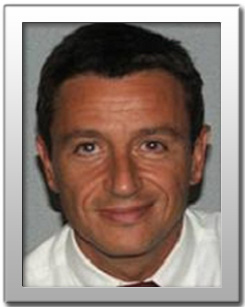
Luigi BADALONI - CV Luiss Business School Linking the research and innovation capabilities of universities and research entities with the market's need to generate competitiveness and economic sustainability. |
 |
||||||
| WS.III.4.5 TT.IV.B.5 |
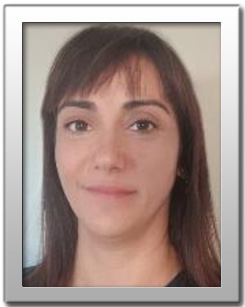
ROUND TABLE Emanuela TRAFICANTE - CV, Polytechnic University of Turin Luigi MESCHINI - CV, Venture Path Domenico NESCI - CV, Deep Ocean Capital Sgr Luigi BADALONI - CV, Luiss Business School |
 |
|
|
|
|||
| 17 September | ||||||||
| 09:00 - 10:30 Enabling factors of Nanotech scale-up WS.III.5 - TT.V.B |
||||||||
| Chair: Roberto GIANNANTONIO, NANOSHUTTLE srl | ||||||||
|
The session explores the critical enablers that drive the scale-up of nanotechnology from lab to market such as fostering public-private partnerships, and aligning research with market-ready solutions to address “societal” challenges. |
||||||||
| WS.III.5.1 TT.V.B.1 |
Roberto GIANNANTONIO - CV Nanoshuttle Semantics of «Enablement» in the Frame of Innovation |
|
||||||
| WS.III.5.2 TT.V.B.2 |
Fabrizio PIRRI - CV Polytechnic University of Turin Scaling Nanotech: The Role of Technological Infrastructure in Deep Tech Innovation |
 |
||||||
| WS.III.5.3 TT.V.B.3 |
Vittorio MORANDI - CV ISMN - CNR iEntrance: Italy’s Electronic Infrastructure for Nanoscience and Renewable Energy as a Catalyst for Nanotechnology Scale-Up |
 |
||||||
| WS.III.5.4 TT.V.B.4 |
Marco MAURIZI - CV AI4I From Nanoscale Function to Engineering Systems: AI as an Enabling Infrastructure for Advanced Materials Scale-Up |
 |
||||||
| WS.III.5.5 TT.V.B.5 |
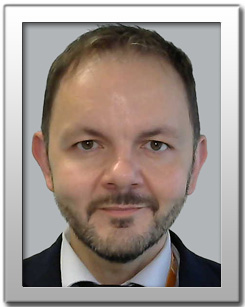
Michael BOJDYS - CV European Innovation Council - EISMEA Quality infrastructure at machine speed: why self-driving labs only pay off if validation keeps up |
 |
||||||
| 11:30 - 13:00 Best practice of nanotech scale up WS.III.6 - TT.VI.B |
||||||||
| Chair: Andrea CAPASSO, International Iberian Nanotechnology Laboratory | ||||||||
| This session dives into real-world examples of nanotechnology scale-up, showcasing best practices, challenges, and innovative strategies that bridge the gap between lab breakthroughs and market-ready solutions. From two deep tech startups transitioning from lab to pilot nanotechnologies to a corporate’s approach in selecting the best nanomaterials for cutting-edge devices, the session will explore how agility, strategic investment, and long-term vision are critical to overcoming scale-up barriers. A highlight includes the journey in upgrading cleanroom facilities to enable small-batch sensor manufacturing—a model for fast, capital-efficient nanotech scale-up. Attendees will gain insights on some best practices that may be instrumental to accelerate innovation while navigating the complexities of today’s rapid research-to-market race. |
||||||||
| WS.III.6.1 TT.VI.B.1 |
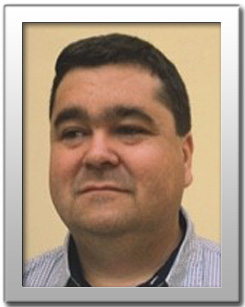
Richard HALL-WILTON - CV Fondazione Bruno Kessler (FBK) The Role of A Research Technology Organisation in Scaling Nanotech: examples from Fondazione Bruno Kessler’s Clean Room Upgrade |
 |
||||||
| WS.III.6.2 TT.VI.B.2 |
Valentina MAURIZIO - CV Snaptech From Beaker to Pilot Plant: Scaling Up Sustainable Nanomaterials at SNAPTECH |
 |
||||||
| WS.III.6.3 TT.VI.B.3 |
Andrea AUGIERI - CV Suprema Tape Scaling Up High Temperature Superconductors Tape Manufacturing for the Energy Transition |
 |
||||||
| WS.III.6.4 TT.VI.B.4 |
Paolo BONDAVALLI - CV (Remote) EISMEA - Euopean Innovation Council From Lab to Market: Scaling Up nanomaterials through Industrial Collaboration |
 |
||||||
| 14:00 - 15:30 Policy, Ecosystem, and DeepTech: Accelerating Nanotechnology Innovation from Lab to Market - ROUND TABLE WS.III.7 - TT.VII.B |
||||||||
| Chair and moderator: Francesco MATTEUCCI, FBK | ||||||||
| The round table aims at exploring the intersection of policy, investment, and cross-border collaboration in driving nanotechnology innovation. The discussion will tackle three critical questions: - Policy as a Catalyst: How can governments and institutions design policies that remove red tape, incentivize R&D, and create ecosystems where nanotechnology startups and scale-ups thrive? - Barriers to Breakthroughs: What are the biggest hurdles—regulatory, financial, or technological—slowing down nanotech innovation, and how can they be overcome? - From Lab to Market: Which concrete actions may each stakeholders of the nanotechnology ecosystem take to bridge the gap between research and commercialization ? Through a dynamic exchange, the panel will highlight best practices, lessons learned, and opportunities for Italy, France, and the EU to align efforts, share resources, and accelerate the translation of nanotech breakthroughs into real-world impact. |
||||||||
| WS.III.7.1 TT.VII.B.1 |
Alexandre CECCALDI - CV (Remote) ETPN Title in definition |
 |
||||||
| WS.III.7.2 TT.VII.B.2 |
Bernardino D'AURIA Title in definition |
 |
||||||
| WS.III.7.3 TT.VII.B.3 |
Nicola MIROTTA - CV CNR Title in definition |
 |
||||||
| 16:00 - 17:30 From Research to Startup: Bridging Innovation and Entrepreneurship WS.III.8 - TT.VIII.A - FE.I.15 |
||||||||
| Chair: Mara SERRAPEDE, Polytechnic University of Turin | ||||||||
| Nanotechnologies are generating disruptive innovations with the potential to address major societal and industrial challenges. Translating scientific discoveries into entrepreneurial opportunities requires not only technological advancement, but also the identification of relevant market needs, viable value propositions, appropriate business models, and effective strategies for technology development and commercialization. Young researchers increasingly represent a driving force in this transition, combining scientific expertise with an entrepreneurial perspective to develop research-driven startup ideas and emerging technology-based ventures. The ability to clearly articulate the technological opportunity, the unmet need addressed, the proposed solution, its competitive advantage, and the pathway towards market adoption represents a crucial step in the early development of such initiatives. The Young Innovation segment will bring together early-stage entrepreneurial projects originating from academic research, presented through concise business-oriented pitches. The presentations will provide an opportunity to discuss the technological and commercial potential of each proposed venture, with particular attention to value proposition, target market, competitive landscape, intellectual property, scalability, and development strategy. A panel of experts with complementary expertise in research, technology transfer, entrepreneurship, and industry will provide critical feedback on the presented ideas, identifying opportunities, potential bottlenecks, and key aspects requiring further development. The interaction between young innovators and the panel is intended to foster constructive discussion and support the refinement of research-driven ideas along their transition towards viable entrepreneurial initiatives. |
||||||||
| WS.III.8.1 TT.VIII.A.1 FE.I.15.1 |
Introductive Keynote Pietro ZACCAGNINI - CV (Remote) Polytechnic University of Turin From laboratory discovery to market ready technology: the role of research and innovation infrastructures in energy storage entrepreneurship |
 |
||||||
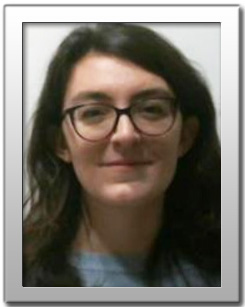
| WS.III.8.2 TT.VIII.A.2 FE.I.15.2 |
Luisa BAUDINO - CV Polytechnic University of Turin Graphene Oxide-based membranes for energy and raw materials recovery applications: a scalable journey |
 |
||||||
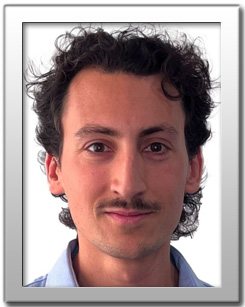
| WS.III.8.3 TT.VIII.A.3 FE.I.15.3 |
Giacomo SPISNI - CV Polytechnic University of Turin & IIT Founding your next deep tech startup: tips and tricks from a work-in-progress |
 |
||||||
| WS.III.8.4 TT.VIII.A.4 FE.I.15.4 |
Simona VILLATA - CV Polytechnic University of Turin SelSkin: Advancing Human-Relevant Skin Models for Next-Generation Preclinical Research |
 |
||||||
 |
Back to Overview | Go to Plan 16 September |  |
| Go to Plan 17 September | |
||