







| ROOM 1 | |||||||
|
FE.II From Investment to Impact: Research Infrastructures, Advanced Materials and Critical Space Technologies for European Competitiveness 18 September |
|||||||
| Organized by: | |||||||
 |
 |
 |
 |
||||
|
Now in its ninth edition, Open Innovation & Open Science returns as the traditional closing Joint Event of NanoInnovation, bringing together research organisations, universities, European and national institutions, large companies, SMEs and professional associations for a full day of presentations and debate. As the investment phase of Italy's National Recovery and Resilience Plan draws to a close, the 2026 edition shifts the focus from capacity building to long-term impact: how newly strengthened research infrastructures, scientific capabilities and industrial ecosystems can become sustainable, interconnected and accessible drivers of innovation and competitiveness. The morning sessions will address two closely related dimensions. The first will review the capabilities developed by Italy's research infrastructures for materials and enabling technologies and the conditions required for their future operation, including sustainable funding, open and transnational access, FAIR data interoperability, skills, industrial engagement and the effective participation of small and medium enterprises. The second will examine the strategic role of advanced materials in Europe's competitiveness, industrial resilience and technological autonomy, within the evolving framework of the Materials Act, the future European research and innovation programme and the European Competitiveness Fund. The afternoon programme will extend this discussion to critical space technologies, exploring how advanced materials and enabling technologies can progress from research results to qualified, scalable and mission-ready solutions. Particular attention will be devoted to collaborative models connecting European programmes, research organisations, system integrators and technology-intensive SMEs, as well as to the balance between openness, intellectual property protection, security requirements and European technological non-dependence. Closing a thread that runs through the conference week — from the Joint Forum on the new frontiers of space on 14 September to the round table on research infrastructures at work on 15 September — and by linking infrastructures, policy and industrial implementation, the event will identify shared priorities and concrete messages for national and European decision-makers. The 2026 edition is dedicated to the memory of Luigi "Gino" Nicolais, a long-standing mentor of NanoInnovation and a protagonist of previous editions of this Joint Event. |
|||||||
| 18 September | ||||||||
| 09:00 - 11:00 Italian Research Infrastructures for Materials and Enabling Technologies - Post-NRRP Review and Future Outlook FE.II.1 - TT.IX.B |
||||||||
| Co-organised with Sapienza University of Rome and CNR-ISMN within the CRIOSS4CET Project |
| Chair: Marco ROSSI, Sapienza University of Rome | ||||||||
| Italy’s National Recovery and Resilience Plan (NRRP) has enabled a major upgrade of distributed research infrastructures serving materials science, nanotechnology, photonics, quantum science, structural biology, energy materials and devices, neutron- and muon-based characterisation, plasma and fusion technologies and advanced imaging. As the investment phase draws to a close, the central challenge is moving from capital deployment to durable scientific and industrial impact. This session brings together some of the most relevant funded research infrastructures to compare newly acquired capabilities, user communities and early results, while addressing the conditions required for long-term operation. The session is organised in two parts. In the first part, seven concise infrastructure spotlights of about eight minutes each outline what has been built, which results are already verifiable and what remains to be secured. The second part is a dedicated round table, chaired by Alfredo Picano (CNR-ISMN, iENTRANCE@ENL), on sustainable funding, open and transnational access, FAIR (Findable, Accessible, Interoperable, Reusable) data interoperability, skills, industrial engagement and alignment with European research infrastructure roadmaps. The session will conclude by identifying shared priorities and concrete messages for national and European decision-makers. | ||||||||
| Part I · Infrastructure spotlights (09:00-10:00) | ||||||||
| FE.II.1.1 TT.IX.B.1 |
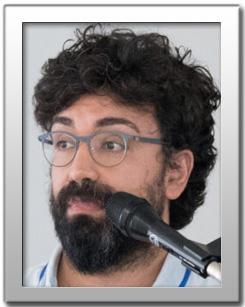
Giancarlo TRIA CNR-IC (Istituto di Cristallografia) ITACA.SB (Potentiating the Italian Capacity for Structural Biology Services in Instruct-ERIC): Strengthening the Italian structural biology node: a cornerstone for nanomedicine |
 |
||||||
| FE.II.1.2 TT.IX.B.2 |
Fabrizio PIRRI Politecnico di Torino e IIT CSFT@Polito (Center for Sustainable Future Technologies) CoSyET (Components and Systems for Energy Transition): From laboratory devices to pilot lines: components and systems for the energy transition and their industrial users |
 |
||||||
| FE.II.1.3 TT.IX.B.3 |
Cristina AFRICH - CV CNR-IOM (Istituto Officina dei Materiali) NFFA-DI: a single entry point to FAIR services at nanoscience foundries and fine analysis facilities for research on advanced materials and for innovation |
 |
||||||
| FE.II.1.4 TT.IX.B.4 |
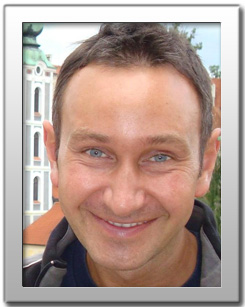
Giacomo ROATI CNR-INO (Istituto Nazionale di Ottica) I-PHOQS (Integrated Infrastructure Initiative in Photonic and Quantum Sciences): An integrated national facility for photonic and quantum sciences: new capabilities, open access and the European landscape |
 |
||||||
| FE.II.1.5 TT.IX.B.5 |
Vittorio MORANDI CNR-ISMN (Istituto per lo Studio dei Materiali Nanostrutturati) iENTRANCE@ENL (Infrastructure for Energy Transition and Circular Economy @ EuroNanoLab): Six nodes, one access point: a distributed infrastructure for the energy transition and the circular economy |
 |
||||||
| Part II · Round Table (10:00-11:00) | ||||||||
| FE.II.1.6 TT.IX.B.6 |
Alfredo PICANO (Chair) CNR-ISMN (Istituto per lo Studio dei Materiali Nanostrutturati) & iENTRANCE@ENL Beyond the NRRP: keeping Italian research infrastructures funded, open and industrially relevant |
 |
||||||
| 11:30 - 13:00 The Role of Materials in the European Competitiveness Challenge FE.II.2 - TT.X.B |
||||||||
| Co-organised with APRE & AIRI | ||||||||
| Chair: Marco FALZETTI, APRE | ||||||||
| Research and innovation on materials is one of the key drivers of Europe’s competitiveness, sustainability and industrial resilience. Technologies based on advanced materials underpin the major transitions now under way – energy, digital, industrial and security – and act as an enabler for numerous strategic value chains, from energy to mobility, from aerospace to the life sciences, through to digital technologies and advanced manufacturing. 2026 is shaping up to be a particularly significant year for the materials sector. The forthcoming publication of the Materials Act by the European Commission will be an important policy milestone in defining the role that advanced materials are expected to play in future European strategies for competitiveness, strategic autonomy and industrial resilience. This initiative forms part of a broader redefinition of European research and innovation policy, in which the debate on the future Framework Programme (2028-2034) and its relationship with the new European Competitiveness Fund (ECF) is still open. Within this framework, a number of uncertainties remain: how enabling technologies such as advanced materials will be positioned and supported in the future European research and innovation architecture; the relationship between research, technological development, industrial scale-up and competitiveness; and the role that collaborative instruments will continue to play, in particular the future of the European partnerships. Among these, the fate of IAM-I, the European partnership dedicated to innovative and advanced materials, is of particular relevance, as in recent years it has provided an important space for coordination between industry, research and the European institutions. Italy has high-quality scientific expertise, infrastructures, companies and production chains, and has significantly strengthened its materials ecosystem thanks to NRRP (PNRR) investments and growing participation in European programmes. There nonetheless remains a need to develop a more integrated and systemic vision, one able to overcome the existing fragmentation, create synergies between public and private actors and strengthen Italy’s positioning in the European debate. The event aims to offer a space for dialogue between institutions, research and industry in order to examine the evolution of European policies and to position them as effectively as possible within the relevant national context. |
||||||||
| FE.II.2.1 TT.X.B.1 |
Marco FALZETTI APRE, Director Introduction |
 |
||||||
| FE.II.2.2 TT.X.B.2 |
Carsten SCHIERENBECK European Commission, Head of Unit Industrial Transformation, Prosperity Directorate, DG RTD Materials R&I in the EU: strategies and actions. The European materials strategy – towards the 2028-2034 programming period. |
 |
||||||
| FE.II.2.3 TT.X.B.3 |
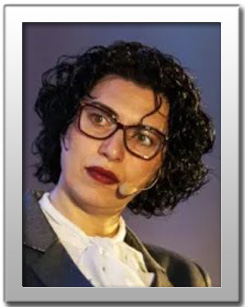
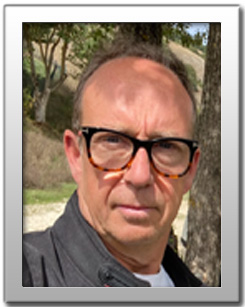
Sara ROSSI, Responsabile Accordo per la Coesione MUR, FSC 2021-2027 Edoardo BEMPORAD, MUR, Member of the EC Technology Council for Advanced Materials Materials research and innovation in italy – how to represent it in full |
 |
 |
|||||
| FE.II.2.4 TT.X.B.4 |
Federica BONDIOLI, INSTM, President Gianluca FIORI, IAM-I (EU Innovative Advanced Materials Initiative), Vice President Ciro ROCCO, Leonardo Better management of technologies |
 |
 |
 |
||||
| FE.II.2.5 TT.X.B.5 |
Andrea BAIRATI AIRI, President Closing remarks |
 |
||||||
| 14:00 - 17:30 Critical Space Technologies and European Non-Dependence: Open Innovation from Advanced Materials to Qualified Systems FE.II.3 - TT.XI.B |
||||||||
| Chairs: Alessandro GARIBBO & Mirko ROCCI | ||||||||
| European technological sovereignty and non-dependence in space depend on the capacity to turn advanced materials, critical components and enabling technologies into qualified, scalable and mission-ready systems. This session brings together European institutions, major system integrators, specialised SMEs and research organisations to examine how collaborative research and innovation can bridge the gaps between technological development, industrial qualification and operational deployment. The first part opens with the European policy and programme perspective: DG DEFIS will outline strategic priorities and technology roadmaps, while HaDEA will address how EU-funded actions are implemented and supported along the path towards qualification. Contributions from industry and research organisations will then explore qualification requirements, supply-chain constraints, access to testing infrastructures and the challenges faced in scaling innovative technologies. The concluding round table will focus on resilient European supply chains, knowledge and technology transfer, and the conditions under which open collaboration can coexist with intellectual-property protection, security requirements and controls on sensitive information. The discussion will help identify priorities for future European programmes and opportunities to strengthen the contribution of the Italian space ecosystem. |
||||||||
| Part I · From policy to qualified systems (14:00 - 15:30) | ||||||||
| FE.II.3.1 TT.XI.B.1 |
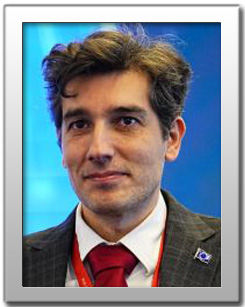
Fabio VITOBELLO European Commission, General Directorate for Defence Industry and Space (DG-DEFIS) Task Force Leader for Space and Propulsion Technologies Critical Space Technologies and EU Non-Dependence: EU Programme, Technology Roadmaps and the Way Forward |
 |
||||||
| FE.II.3.2 TT.XI.B.2 |
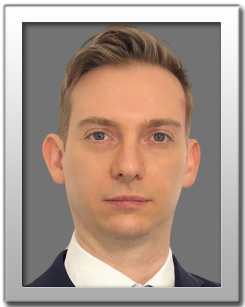
Simon Silvio CONTICELLO European Health and Digital Executive Agency (HaDEA) From EU Calls to Technology Qualification: Managing Projects in Critical Space Technologies |
 |
||||||
| FE.II.3.3 TT.XI.B.3 |
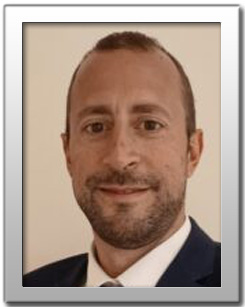
Marco DI CLEMENTE Agenzia Spaziale Italiana - ASI, Head of Technology Development and Space Design Office ASI Approach Toward European Technological Autonomy |
 |
||||||
| FE.II.3.4 TT.XI.B.4 |
Andrea PIETROPAOLO Thales Alenia Space Italia - TASI, Head of CTO Technology Dept. TASI roadmaps for product digitalization |
 |
||||||
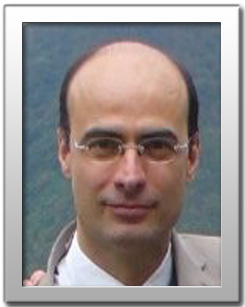
| FE.II.3.5 TT.XI.B.5 |
Andrea RESCA Regione Emilia Romagna Surfing navigation trands: a regional perspective |
 |
||||||
| Part II · Round Table (16:00 - 17:30) | ||||||||
| moderated by Alessandro GARIBBO | ||||||||
| FE.II.3.7 TT.XI.B.7 |
Open collaboration, protected technology: securing Europe's space supply chain | |||||||
|
Music in the Cloister Echoes of Cinema |
||||||||
| Closing cocktail in the Cloister (after the concert) A moment to say goodbye and look forward to the next edition of Nanoinnovation 2027 |
||||||||
| Go to Plan 18 September |  |
||