







 |
 |
 |
 |
 |
| updated on 13 September 2026 | ||||
| ROOM 1 | |||||||||
| OPENING SESSION Welcome and Greetings OS.I |
|||||||||
| 09:00 09:45 |
Chair: Carlo Massimo CASCIOLA, Sapienza University of Rome, Dean of the Faculty of Civil and Industrial Engineering |
 |
|||||||
| OS.I.1 | Antonella POLIMENI Sapienza University of Rome, Rector Welcome address |
 |
|||||||
| OS.I.2 | Andrea LENZI CNR, President |
 |
|||||||
| OS.I.4 | Rocco BELLANTONE ISS, President |
 |
|||||||
| OS.I.5 | David CALONICO INRIM, Scientific Director, on behalf of the President, Prof. Pietro ASINARI |
 |
|||||||
| OS.I.6 | Massimo BERSANI FBK - Fondazione Bruno Kessler, Head of the Materials and Topologies for Sensors and Devices Research Unit, on behalf of the President, Prof. Ferruccio RESTA |
 |
|||||||
| OS.I.7 | Candido Fabrizio PIRRI Politecnico di Torino, Vice Rector for Research Model and Infrastructure Development, on behalf of the Rector, Prof. Stefano CORGNATI |
 |
|||||||
| OS.I.8 | Giovanni TOSI University of Modena and Reggio Emilia, on behalf of the Rector, Prof. Rita CUCCHIARA |
 |
|||||||
| PLENARY SESSION PS.I Turning Transition Goals into Technology: Energy, Materials and Advanced Electronics |
|||||||||
| 09:45 11:15 |
Energy transition is often framed in terms of targets and timelines. Delivering it, however, depends on a less visible chain of choices: innovation strategies, research priorities, materials, processes and electronic technologies that must perform reliably and at scale. This session moves from the system-level challenge to the enabling technological layer beneath it, bringing strategic direction into dialogue with industrial implementation. On the table — the strategies and actions required to advance the energy transition, the contribution of research and technological development to its implementation, and the materials and processes enabling advanced semiconductor interconnects and packaging. Together, the contributions ask what technological and industrial capabilities are needed to turn transition goals into deployable solutions — a question taken forward by the following round table on research infrastructures. |
||||||||
| Chair: Candido Fabrizio PIRRI, Politecnico di Torino, Vice Rector for Research Model and Infrastructure Development | |||||||||
| PS.I.1 | Antonio RINALDI - CV ENEA, Representative of the TERIN Department The role of research, materials, and manufacturing in EU competitiveness, with a focus on electrochemical storage |
 |
|||||||
| PS.I.2 | Luigi Marco CALLIGARICH IMAPS Italy, CEO Materials and processes for advanced semiconductor interconnects and packaging |
 |
|||||||
| PS.I.3 | Ennio CAPRIA ESRF, Deputy Head of Business Development & Director of the Platform for Advanced Characterisation, Grenoble, France Accelerating Advanced Materials Discovery for the Energy Transition with Synchrotron X-rays |
 |
|||||||
| 11:15 - 11:30 break | |||||||||
| ROOM 1 | |||||||||
| ROUND TABLE RESEARCH INFRASTRUCTURES AT WORK Driving Innovation across Advanced Technologies, Industry and Life Sciences |
|||||||||
| 11:30 13:00 |
Coordinators: Vittorio MORANDI, CNR-ISMN & Marco ROSSI, Sapienza University of Rome |  |
 |
||||||
| Moderator: Maurizio MELIS, Scientific Journalist |  |
||||||||
|
The round table is now a fixture of NanoInnovation, and its recent editions have traced a deliberate arc. Together, they have explored the evolving role of Research Infrastructures within the European research and innovation ecosystem: in 2024, as open-access platforms and shared facilities supporting technology transfer; in 2025, as strategic enablers of innovation pathways in the age of artificial intelligence. In both cases, the focus was on the technologies, expertise and open-access services that infrastructures offer to research and industry. Four supporting questions at a glance
Panel |
|||||||||
 |
|||||||||
| 13:00 - 14:00 light lunch | |||||||||
| CLOISTER ROOM | |||||||||
| PLENARY SESSION PS.II Sustainable by design: European strategy, electronics and AI in materials development |
|||||||||
| 14:00 15:30 |
A material that works in the laboratory still has to survive three filters: a European agenda that decides what gets funded, an environmental account that no longer closes by itself, and a development cycle that AI is rewriting while it runs. The session takes them together, because they have stopped being separate problems. On the table — industrial value chains and where Europe places its bets, the real cost of the electronics we design, digital twins and simulation as everyday laboratory instruments. | ||||||||
| Chair: Ennio CAPRIA, ESRF, Grenoble, France | |
||||||||
| PS.II.1 | Eva-Kathrin SCHILLINGER Secretary General of IAM-I Advanced materials for Europe: from a shared agenda to industrial value chains |
 |
|||||||
| PS.II.2 | Jean-Pierre RASKIN - CV Université catholique de Louvain, Belgium, Professor Sustainable electronics |
 |
|||||||
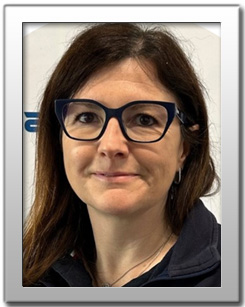
| PS.II.3 | Chiara PERNECHELE - CV Dallara, Senior Lab Researcher Advanced and sustainable composite materials in motorsport: an industrial perspective |
 |
|||||||
| 15:30 - 16:00 break | |||||||||
| PLENARY SESSION PS.III From measurement to meaning: models, infrastructures and what they make possible |
|||||||||
| 16:00 17:30 |
Nano-scale instruments have made measurable what could not be measured before. That does not settle what a measurement means, who maintains the systems that produce it, or what it authorises anyone to decide. The session follows the question into the places where it is not academic: a clinical pathway, a food chain, a model someone acts on. On the table — how measurement becomes meaning, the infrastructures that keep evidence shareable and comparable, and what our models quietly rule out. | ||||||||
| Chair: in definition | |||||||||
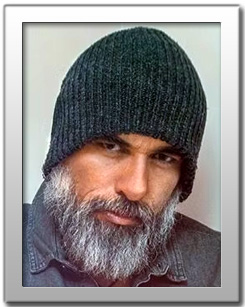
| PS.III.1 | Manuel DELAFLOR Epistemologist, Philosopher of Science Dimensional Collapse: Nano-sensing, Models, and the Human Question - How measurement becomes meaning, and how models shape what becomes possible |
 |
|||||||
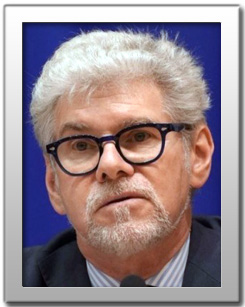
| PS.III.2 | Maurizio SCARPA University of Padua & European Reference Network For Rare Hereditary Metabolic Diseases (Metab-ERN), Coordinator Crossing the barrier: Nanomedicine and advanced therapies for rare metabolic diseases (in definition) |
 |
|||||||
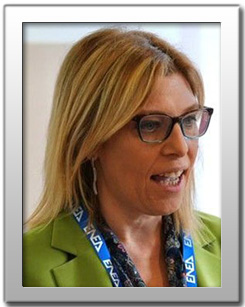
| PS.III.3 | Claudia ZOANI ENEA, Researcher METROFOOD-RI - the European infrastructure for metrology in the food sector (in definition) |
 |
|||||||
| STAGE | |||||||||
| 18:00 - 19:00 LCA Aperitif You will survive the talks, but now you deserve a drink |
|||||||||
| Organised by Claudia BIANCHI | |||||||||
 |
|||||||||
|
But before you raise that glass, a question: do you actually know where your Spritz has been? The prosecco grapes sweating under the Veneto sun, the Aperol traveling halfway across Italy, the ice cubes silently guzzling electricity, the plastic straw you grabbed without thinking — every sip has a story, and not all of it is pretty. |
|||||||||
| WELCOME COCKTAIL in THE CLOISTER |
|||||||||
| 19:15 - 20:15 Theatre Performance TROPPO BELLA PER ESSERE VERA di Massimiano Bucchi · con Maria Vittoria Barrella · regia di Maura Pettorruso |
|||||||||
 |
Back to Masterplan |