








| CLOISTER ROOM | |
|
WS.IV TECHNOLOGIES FOR ENERGY TRANSITION 16 - 17 - 18 September |
|
| Co-organised with: |
|
 |
|
|
WORKSHOP COMMITTEE Margherita MORENO, ENEA |
|
|
The progressive deterioration of environmental conditions at both local and global scales is largely driven by anthropogenic activities, with greenhouse gas emissions—particularly CO₂—representing a major contributor to climate change. The energy sector, encompassing both production and consumption, remains a key source of these emissions, and the continuous growth in global energy demand further exacerbates the challenge. The activity is funded by the Program Agreements between ENEA and the Italian Ministry of the Environment and Energy Security (MASE), Project 1.2 “Technologies for electrochemical and thermal storage” (PTR 2025-2027, CUP I53C24003300001); Project 2.3 “Evoluzione e pianificazione delle reti elettriche” (PTR 2025-2027, CUP I53C24003310001); Project 1.6 “Efficienza energetica dei prodotti e dei processi industriali” (PTR 2025-2027, CUP CUP I53C24003340001) Project 1.4 “Frontier materials and devices for energy applications” (PTR 2025-2027, CUP I53C24003320001). |
|
| 16 September | ||||||||
| 09:00 - 10:30 Electrochemical Energy Storage: Strategic Perspectives and the Battery Value Chain WS.IV.1 - TT.I.C |
||||||||
| Chair: Mariasole DI CARLI, ENEA | ||||||||
| This opening session will provide an overview of the current landscape of electrochemical energy storage, highlighting the strategic role of batteries in supporting the energy transition, industrial competitiveness, and technological sovereignty. The session will address European and national research initiatives, the evolution of the battery value chain, the impact of critical raw materials and energy policies, and emerging application sectors requiring advanced battery technologies. Together, these contributions will offer a comprehensive perspective on the scientific, industrial, and policy drivers shaping the future of battery innovation. | ||||||||
| WS.IV.1.1 TT.I.C.1 |
Margherita MORENO - CV ENEA The European Battery Ecosystem: Current Landscape and Future Perspectives |
 |
||||||
| WS.IV.1.2 TT.I.C.2 |
Alessandra DI BLASI - CV CNR-ITAEE Energy Storage Innovation in Italy: From Conventional Batteries to Next-Generation Technologies through the Ricerca di Sistema Programme |
 |
||||||
| WS.IV.1.3 TT.I.C.3 |
Omar PEREGO - CV RSE Strategic Drivers for Battery Development: measures to mitigate critical raw material supply risks |
 |
||||||
| WS.IV.1.4 TT.I.C.4 |
Grazia ACCARDO - CV Leonardo Batteries in Aerospace, Defense and Space |
 |
||||||
| 10:50 - 11:30 INSIGHT PARALLEL SESSION WS.IV.2 - IS.I.A |
||||||||
| chair: in definition | ||||||||
| WS.IV.2.1 IS.I.A |
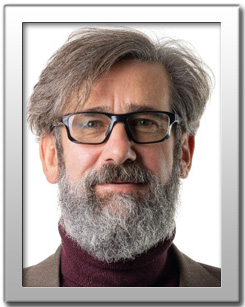
Industrial panelist from Scrosati ENEA Awards SEA Gian Carlo TRONZANO - CV COMAU The Power of Automation |
 |
||||||
| 11:30 - 13:00 Advanced Materials for Sodium-Ion Batteries: From Industrial Perspectives to Electrode Design WS.IV.3 - TT.II.C |
||||||||
| Chair: Claudia PAOLETTI, ENEA | ||||||||
| Sodium-ion batteries are emerging as a promising and sustainable alternative to lithium-based technologies, offering significant advantages in terms of resource availability, cost, and supply chain resilience. This session will present recent advances in materials research for sodium-ion batteries, spanning industrial perspectives, low-critical-raw-material cathodes, innovative self-standing electrode architectures, and next-generation anode materials. The contributions will highlight strategies to improve electrochemical performance while addressing scalability, sustainability, and industrial implementation. | ||||||||
| WS.IV.3.1 TT.II.C.1 |
Mark COPLEY - CV FAAM Industrial Perspectives on Sodium-Ion Batteries: Opportunities, Challenges and Market Drivers |
 |
||||||
| WS.IV.3.2 TT.II.C.2 |
Andrea GRILLO - CV University of Naples Federico II Low-CRM Layered Cathode Materials for Sodium-Ion Batteries |
 |
||||||
| WS.IV.3.3 TT.II.C.3 |
Concetta BUSACCA - CV CNR-ITAEE Electrospun Self-Standing Cathodes for Sodium-Ion Batteries |
 |
||||||
| WS.IV.3.4 TT.II.C.4 |
Marco AMBROSETTI RSE Anode Materials for Sodium-Ion Batteries: From Hard Carbon to MXenes |
 |
||||||
| WS.IV.3.5 TT.II.C.5 |
Luca MESINA - CV Sapienza University of Rome Zeolite - Templated Hard Carbons as an Anode Material for Sodium-Ion Batteries |
 |
||||||
| 14:00 - 15:30 Advanced Battery Components: Manufacturing and Functional Materials WS.IV.4 - TT.III.C |
||||||||
| Chair: Annalisa AURORA, ENEA | ||||||||
| The performance, safety, and sustainability of next-generation batteries strongly depend on the development of advanced components and scalable manufacturing processes. This session will present recent advances in electrode fabrication technologies, innovative electrolyte formulations, and sustainable separator materials. Particular emphasis will be placed on processing techniques, functional materials, and component engineering aimed at enabling high-performance electrochemical energy storage systems. | ||||||||
| WS.IV.4.1 TT.III.C.1 |
Maria MONTANINO - CV ENEA The Role of Materials Interactions in multicomponent Ink Formulation for Gravure Printed high energy Cathodes |
 |
||||||
| WS.IV.4.2 TT.III.C.2 |
Andrea GENTILE Universitè di Montpellier Role of Salts in DME-based Electrolytes on First Lithium Formation and Interface Stability within zero-excess battery configuration |
 |
||||||
| WS.IV.4.3 TT.III.C.3 |
Myriam D’ALU' - CV Sapienza University of Rome Innovative approaches for reusing valuable materials derived from the recovery of used batteries: from material to system |
 |
||||||
| WS.IV.4.4 TT.III.C.4 |
Sara BERGAMASCO - CV Nanofaber Electrospun Polymeric Separators: Sustainable Alternatives for Next-Generation Batteries |
 |
||||||
| WS.IV.4.5 TT.III.C.5 |
Eleonora DE SANTIS - CV Sapienza University of Rome Low-Temperature Lithium Batteries: The Role of Ionic Liquid Electrolytes in Enhancing Electrochemical Performance |
 |
||||||
| 16:00 - 17:30 Battery Systems: Testing, Validation and Advanced Applications WS.IV.5 - TT.IV.C |
||||||||
| Chair: Francesco VITIELLO, ENEA | ||||||||
| The deployment of advanced battery technologies requires robust testing methodologies, reliable performance assessment, and data-driven approaches to support their validation and integration into real-world applications. This session will address industrial testing protocols, predictive algorithms for battery diagnostics and second-life applications, hybrid energy storage systems, and collaborative approaches to battery data management. The discussion will highlight current challenges and opportunities in bridging laboratory developments with industrial deployment. | ||||||||
| WS.IV.5.1 TT.IV.C.1 |
Francesco SERRAO - CV Motus-e The Role of Batteries in the Energy Transition: Current Challenges and Future Perspectives |
 |
||||||
| WS.IV.5.2 TT.IV.C.2 |
Natascia ANDRENACCI - CV ENEA Predictive Algorithms for Battery Diagnostics |
 |
||||||
| WS.IV.5.3 TT.IV.C.3 |
Giosuè GIACOPPO - CV CNR-ITAEE Parametric Design and CFD Workflow for TPMS-Based Air–Liquid Heat Exchangers for Vanadium Redox Flow Battery Thermal Management |
 |
||||||
| WS.IV.5.4 TT.IV.C.4 |
Andrea BARISIONE - CV RSE Advanced Diagnostics and Suitability Assessment of Second-Life Battery Modules for Stationary Applications |
 |
||||||
| 18:00 - 19:30 Second edition of the award in honour of Bruno Scrosati WS.IV.6 - BO.4 |
||||||||
| Scrosati ENEA Award - SEA | ||||||||
| Chairs: Giovanni Battista APPETECCHI, ENEA e Andrea Scrosati | ||||||||
| Maggiori informazioni su: https://www.eventi.enea.it/tutti-gli-eventi-enea/2a-edizione-premio-scrosati.html | ||||||||
| 17 September | ||||||||
| 09:00 - 10:30 Innovative materials for electrochemical applications WS.IV.7 - TT.V.C - FE.I.9 |
||||||||
| Chair: Margherita MORENO, ENEA | ||||||||
| This session brings together contributions from early-career researchers working on innovative materials for electrochemical applications, spanning energy storage and energy conversion. From degradation mechanisms in advanced cathode materials and interfacial engineering for lithium-metal anodes, to catalytic materials for reforming processes, the presented works illustrate how materials-level innovation — from synthesis and structural design to electrochemical characterization — underpins the development of next-generation batteries and related electrochemical technologies. The session opens with a keynote overview of advanced battery technologies, setting the context for the contributions that follow. | ||||||||
| WS.IV.7.1 TT.V.C.1 FE.I.9.1 |
Introductive Keynote Gianni APPETECCHI ENEA Advanced battery technologies: A perspective overview |
 |
||||||
| WS.IV.7.2 TT.V.C.2 FE.I.9.2 |
Alyssa MANCINI - CV Sapienza University of Rome Understanding Structural and Electrochemical Degradation in Li-Rich Cathodes |
 |
||||||
| WS.IV.7.3 TT.V.C.3 FE.I.9.3 |
Daniele STELLATI - CV ENEA Bi-reforming of methane powered by Induction heating on 3D additevely manufactured gamma-alumina monoliths |
 |
||||||
| WS.IV.7.4 TT.V.C.4 FE.I.9.4 |
Cheikh Reda BERNAOUI - CV Sapienza University of Rome A Metal-Free PEO–LiNO₃ Interlayer for Uniform Lithium Deposition on Bare Copper Current Collectors in Anode-Less Lithium-Metal Batterie |
 |
||||||
| 10:50 - 11:30 INSIGHT PARALLEL SESSION WS.IV.8 - IS.II.A |
||||||||
| chair: in definition | ||||||||
| WS.IV.8.1 IS.II.A |
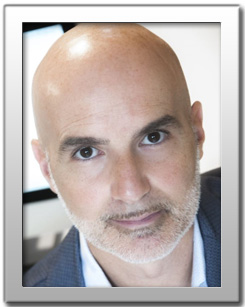
"Industrial panelist from Scrosati ENEA Awards SEA" Lorenzo ORSINI - CV ALKEEMIA Leading the change: An industrial look at innovation strategy |
 |
||||||
| 11:30 - 13:00 Climate-Resilient Smart Grids: Research and Innovation for the Evolution and Planning of Electrical Networks WS.IV.9 - TT.VI.C |
||||||||
| Chair: Martina CALIANO, ENEA | ||||||||
| The increasing impacts of climate change require innovative approaches to improve the resilience, flexibility, and sustainability of power systems. This session will present the ongoing research activities and results carried out within the 2025–2027 Three-Year Implementation Plan of the Italian National Electric System Research Programme (Ricerca di Sistema Elettrico Nazionale). The discussion will focus on advanced power grid planning, climate-resilient network operation, predictive forecasting, optimization methodologies, Digital Twin technologies, and the integration of distributed energy resources, highlighting current challenges and future opportunities for the evolution of electrical networks. | ||||||||
| WS.IV.9.1 TT.VI.C.1 |
Lisa CORAZZA - CV, University of Padua Lorenzo VITULANO - CV, RSE Perspective Analysis of the Italian Transmission System in the Presence of Large-Scale HVDC Deployment |
 |
 |
|||||
| WS.IV.9.2 TT.VI.C.2 |
Alessandro VERONI - CV RSE Advanced AC/DC converter control structures for the stability of MV distribution systems: detailed modelling and EMT simulation |
 |
||||||
| WS.IV.9.3 TT.VI.C.3 |
Salvatore FABOZZI - CV & Amedeo BUONANNO - CV ENEA Building Energy Demand for Smart Grids: Short and Long-Term Perspectives |
 |
 |
|||||
| WS.IV.9.4 TT.VI.C.4 |
Valerio MARIANI - CV ENEA Social-aware optimization models for the operation of multi-sector energy aggregates |
 |
||||||
| 14:00 - 15:30 Thermal Energy Storage: main research activities at medium temperature WS.IV.10 - TT.VII.C |
||||||||
| Chair: Elisabetta Maria VECA, ENEA | ||||||||
| The primary objective of thermal energy storage (TES) research is to achieve high efficiency and sustainability across all temperature ranges. TES aims to maximize renewable energy integration for environmental benefits while relieving grid stress and mitigating overgeneration issues through a diverse range of technologies. To achieve this, research focuses on four key pillars: • High Energy Density: Developing more compact systems to store identical amounts of heat • Stability and Durability: Creating resilient, cyclable materials that ensure long-term operational reliability • Tailored Charging/Discharging Rates: Ensuring rapid adaptation to user demand with systems capable of absorbing both thermal and electrical energy • Cost-Effectiveness & Low Environmental Impact: Delivering economically viable and eco-friendly solutions As for Medium-Temperature Applications the research is focused at utilizing commercial zeolites for residential use, and synthetic alternatives engineered to adapt adsorption properties to specific operating conditions; synthesizing and testing cementitious structures capable of absorbing heat via thermal fluids or electrical induction; verifying the stability of cascaded sensible and latent TES modules composed of cementitious materials and sodium/potassium nitrates. |
||||||||
| WS.IV.10.1 TT.VII.C.1 |
Raffaele LIBERATORE - CV ENEA Current research trends and perspectives on Thermal Energy Storage |
 |
||||||
| WS.IV.10.2 TT.VII.C.2 |
Enrico PATRUCCO - CV RSE Design and sizing of a demonstration plant for the analysis of the summer solar desorption process in an open-cycle thermochemical seasonal storage system |
 |
||||||
| WS.IV.10.3 TT.VII.C.3 |
Daniele NICOLINI - CV ENEA Study of an Electro-Thermal Energy Storage system using cement-based material with dissipative (conductive/resistive) properties |
 |
||||||
| WS.IV.10.4 TT.VII.C.4 |
Raffaele LIBERATORE - CV ENEA Energy characterization of cascaded sensible and latent medium-temperature thermal energy storage material modules |
|
||||||
| 16:00 - 17:30 Thermal Energy Storage: main research activities at high temperature for industrial objectives WS.IV.11 - TT.VIII.C |
||||||||
| Chair: Raffaele LIBERATORE, ENEA | ||||||||
| In the Thermal Energy Storage system topic, key research and innovation efforts span across multiple temperature ranges for both industrial and residential applications. In addition to the medium temperature activities explored during the previous session, high temperature applications have deepened, mainly related to thermochemical cycles, that work up to about 900 °C. Here, material synthesis, laboratory testing on experimental fluidized bed prototype reactors, as well as case studies for integration into industrial processes are analyzed. Besides, particular attraction is pad to the characterization of PCMs with melting temperatures above 300 °C and innovative design of exchangers supported by CFD analysis of components using air as the heat transfer fluid. |
||||||||
| WS.IV.11.1 TT.VIII.C.1 |
Claudia VENDITTI - CV Sapienza University of Rome Computational analysis of an air-based thermal energy storage system using medium-to-high temperature PCMs |
 |
||||||
| WS.IV.11.2 TT.VIII.C.2 |
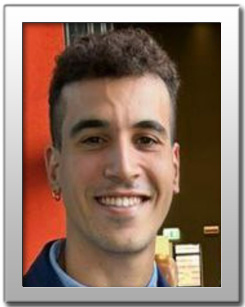
Matteo BATTAGLIA - CV Tor Vergata University of Rome Mixed oxides for thermochemical energy storage: study, characterization, and performance comparison |
 |
||||||
| WS.IV.11.3 TT.VIII.C.3 |
Annarita SPADONI - CV ENEA Reactive Fluidized bed reactors for high-temperature thermochemical energy storage |
 |
||||||
| WS.IV.11.4 TT.VIII.C.4 |
Maria Anna MURMURA - CV Sapienza University of Rome Study of an open loop thermochemical energy storage system based on the CaO/CaCO3 reactive couple |
 |
||||||
| 18 September | ||||||||
| 09:00 - 10:30 Frontier material and devices for energy application 1/2 WS.IV.12 - TT.IX.C |
||||||||
| Chair: Daniele MIRABILE GATTIA, ENEA | ||||||||
| The “Frontier materials and devices for energy applications” project aims, among other objectives, to develop materials for various applications that are suitable for use in advanced manufacturing processes, such as Additive Manufacturing. Key application areas include heat exchange (including in corrosive environments), micro-generation, energy storage, catalysis, and wind energy. The workshop will outline some of the project’s objectives and results achieved by ENEA, CNR, and RSE, specifically covering: composite materials with high thermal and electrical conductivity (with contributions from Thales Alenia Space); metal and ceramic materials processed via Additive Manufacturing for high-performance heat exchangers and hydrogen separation membranes; thermochemical materials for energy storage; natural and recycled fibers integrated into engineered textile architectures to produce composites for the wind energy sector; nanostructured materials for decarbonization; the effects of microbial corrosion on materials used in renewable energy generation. |
||||||||
| WS.IV.12.1 TT.IX.C.1 |
Mirko ROCCI - CV Thales Alenia Space High-Performance Polymer Composites with 2D Fillers for Thermal Management in Space Energy Systems |
 |
||||||
| WS.IV.12.2 TT.IX.C.2 |
Marco FORTUNATO - CV ENEA DLP-printed h-BN/graphite polymer composites for thermal management: processing, functional properties and non-destructive characterization |
 |
||||||
| WS.IV.12.3 TT.IX.C.3 |
Filippo AGRESTI - CV CNR Thermodynamic, kinetic and structural characterization of Thermochemical Materials for Thermal Storage |
 |
||||||
| WS.IV.12.4 TT.IX.C.4 |
Pierangela CRISTIANI - CV RSE Can microbial corrosion affect innovative materials for renewable energy production? |
 |
||||||
| WS.IV.12.5 TT.IX.C.5 |
Carmela Tania PRONTERA - CV ENEA Exploring Different LDH Synthesis Approaches toward the Development of Bifunctional Materials for ICCU Applications |
 |
||||||
| 10:50 - 11:30 INSIGHT PARALLEL SESSION WS.IV.13 - IS.III.A |
||||||||
| chair: in definition | ||||||||
| WS.IV.13.1 IS.III.A |
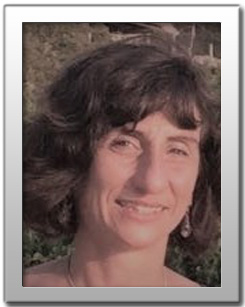
Laura MICHELI University Tor Vergata of Rome Label-Free Screen-Printed Sensors: Electroanalytical Tools for Fast and On-Site Sensing |
 |
||||||
| 11:30 - 13:00 Frontier material and devices for energy application 2/2 WS.IV.14 - TT.X.C |
||||||||
| Chair: Marco FORTUNATO, ENEA | ||||||||
| The “Frontier materials and devices for energy applications” project aims, among other objectives, to develop materials for various applications that are suitable for use in advanced manufacturing processes, such as Additive Manufacturing. Key application areas include heat exchange (including in corrosive environments), micro-generation, energy storage, catalysis, and wind energy. The workshop will outline some of the project’s objectives and results achieved by ENEA, CNR, and RSE, specifically covering: composite materials with high thermal and electrical conductivity (with contributions from Thales Alenia Space); metal and ceramic materials processed via Additive Manufacturing for high-performance heat exchangers and hydrogen separation membranes; thermochemical materials for energy storage; natural and recycled fibers integrated into engineered textile architectures to produce composites for the wind energy sector; nanostructured materials for decarbonization; and the effects of microbial corrosion on materials used in renewable energy generation. |
||||||||
| WS.IV.14.1 TT.X.C.1 |
Enrica FONTANANOVA - CV CNR Polymerizable ionic liquids as building block of advanced ion-conductive membranes |
 |
||||||
| WS.IV.14.2 TT.X.C.2 |
Elisa MERCADELLI - CV CNR Manufacturing Strategies for All-Ceramic Membranes for Hydrogen Separation |
 |
||||||
| WS.IV.14.3 TT.X.C.3 |
Barbara PALAZZO - CV ENEA Hybrid Textile Architectures and Functionalization Strategies for Sustainable Wind Energy Composites |
 |
||||||
| WS.IV.14.4 TT.X.C.4 |
Tiziano DELISE - CV ENEA 3D-Printed TPMS Ceramic Heat Exchangers for Enhanced Thermal Recovery in Energy Production Systems |
 |
||||||
| WS.IV.14.5 TT.X.C.5 |
Francesco PINI - CV RSE High-Entropy Alloys Processed by Ball Milling and Spark Plasma Sintering |
 |
||||||
| WS.IV.14.6 TT.X.C.6 |
Daniele MIRABILE GATTIA - CV ENEA Additive Manufacturing of a Ferritic Alloy: heat exchange applications |
 |
||||||
| 14:00 - 15:30 Carbon Dioxide Removal and CCUS: Towards Integrated Carbon Management 1/2 WS.IV.15 - TT.XI.C |
||||||||
| Chairs: Marialuisa GRILLI & Umberto PASQUAL LAVERDURA, ENEA | ||||||||
| To mitigate global warming, the European Green Deal—reflected in Italy's PNIEC—requires a net-zero energy system by 2050. Decarbonizing the energy and industrial sectors will demand robust CO₂ capture and storage technologies, the use of depleted gas fields and saline aquifers, and infrastructure for CO₂ transport. Carbon capture and storage (CCS) reduces CO₂ emissions from energy-intensive point sources, while direct air capture (DAC) and bio-energy with CCS (BECCS) lag behind but are attracting growing research interest owing to their greater complexity. Emissions of CO₂ together with methane and other pollutants must also be managed to reach net-zero targets. Decarbonizing electricity is increasingly urgent given the rising demand from AI data centres and electric mobility, which is driving the deployment of renewable sources and their storage. This session explores recent frontiers in carbon capture, storage, utilization, and valorization—from modeling to sustainable materials and technologies. | ||||||||
| WS.IV.15.1 TT.XI.C.1 |
Maria Luisa GRILLI - CV & Umberto PASQUAL LAVERDURA - CV ENEA Indroduction |
 |
 |
|||||
| WS.IV.15.2 TT.XI.C.2 |
Stefano STENDARDO - CV SNAM CCUS Sandbox – derisking innovative carbon management technologies |
 |
||||||
| WS.IV.15.3 TT.XI.C.3 |
Stefania MOIOLI - CV Politeccnico di Milano A feasibility study of application of BECCS to a WtE plant in Italy |
 |
||||||
| WS.IV.15.4 TT.XI.C.4 |
Alessandro Antonio PAPA - CV Università dell'Aquila Design, Development, and Experimental Validation of a Biomass and Plastic Waste Gasification System Integrated with CO₂ Capture and Utilization (CCU) |
 |
||||||
| WS.IV.15.5 TT.XI.C.5 |
Valentina GARGIULO - CV CNR-STEM Upcycling Carbon-rich waste into advanced CO2 capture adsorbents |
 |
||||||
| WS.IV.15.6 TT.XI.C.6 |
Daniele FERRARIO - CV Politeccnico di Milano Post-combustion carbon capture via adsorption for cement plants |
 |
||||||
| 16:00 - 17:30 Carbon Dioxide Removal and CCUS: Towards Integrated Carbon Management 2/2 WS.IV.16 - TT.XII.C |
||||||||
| Chairs: Maria Luisa GRILLI - CV & Umberto PASQUAL LAVERDURA - CV, ENEA | ||||||||
| To mitigate global warming, the European Green Deal—reflected in Italy's PNIEC—requires a net-zero energy system by 2050. Decarbonizing the energy and industrial sectors will demand robust CO₂ capture and storage technologies, the use of depleted gas fields and saline aquifers, and infrastructure for CO₂ transport. Carbon capture and storage (CCS) reduces CO₂ emissions from energy-intensive point sources, while direct air capture (DAC) and bio-energy with CCS (BECCS) lag behind but are attracting growing research interest owing to their greater complexity. Emissions of CO₂ together with methane and other pollutants must also be managed to reach net-zero targets. Decarbonizing electricity is increasingly urgent given the rising demand from AI data centres and electric mobility, which is driving the deployment of renewable sources and their storage. This session explores recent frontiers in carbon capture, storage, utilization, and valorization—from modeling to sustainable materials and technologies. | ||||||||
| WS.IV.16.1 TT.XII.C.1 |
Maria Luisa GRILLI - CV & Umberto PASQUAL LAVERDURA - CV ENEA Introduction |
|
 |
|||||
| WS.IV.16.2 TT.XII.C.2 |
Virginia SIGNORINI - CV Università di Bologna Polymeric Materials for High-Pressure CO₂ Transport: Enabling a Sustainable, Reliable and Durable CCS Value Chain |
 |
||||||
| WS.IV.16.3 TT.XII.C.3 |
Eugenio MELONI - CV Università di Salerno Electrically assisted POCS-catalytic reactor with integrated dense Pd–Ag membrane for low-carbon hydrogen production via dry reforming of methane |
 |
||||||
| WS.IV.16.4 TT.XII.C.4 |
Giuseppe BONURA - CV CNR-ITAE Enabling CCUS-to-Fuels Pathways via Catalytic CO2 Hydrogenation to e-MeOH and e-DME |
 |
||||||
| WS.IV.16.5 TT.XII.C.5 |
Benedetta DE CAPRARIIS - CV Università La Sapienza Pressurized H₂S Removal from Syngas Using High-Temperature Solid Sorbents |
 |
||||||
| WS.IV.16.6 TT.XII.C.6 |
Alessio VAROTTO - CV ENEA PGM-free and PGM based nanocatalysts for CO2 valorization |
 |
||||||
 |
Back to Overview | Go to Plan 16 September |  |
| Go to Plan 17 September | |
||
| Go to Plan 18 September | |
||