







|
Featured Event I YoungInnovation 16-17-18 September |
|||||||||||
|
Chairs: SCIENTIFIC COMMITTEE PROGRAM COMMITTEE ORGANIZING BOARD |
|||||||||||
| General coordination: | |||||||||||
 |
|||||||||||
 |
|||||||||||
|
Organized by Sapienza University of Rome, University Magna Graecia of Catanzaro. Featuring ENEA, INAIL, ISS Materials Science & Life Sciences |
|||||||||||
Materials Science Sessions
|
Life Sciences Sessions
|
||||||||||
| YoungInnovation - NanoInnovation's dedicated space for the next generation of scientists | |||||||||||
|
Researchers have always been at the forefront of addressing complex global challenges. That's why NanoInnovation is deeply committed to encouraging the participation of young researchers (under 35) within the scientific community while also supporting their careers through dedicated mentoring activities. Born from this commitment, YoungInnovation has grown into a semi-independent event in its own right. Now in its 7th edition, it will take place from 16 to 18 September 2026, and year after year it continues to expand - welcoming an ever-growing number of leading contributors and shining a spotlight on the researchers of tomorrow. |
|||||||||||
| What to expect | |||||||||||
| YoungInnovation is a focused, three-day programme built around 90-minute sessions and structured into two parallel tracks covering the event's core thematic areas: Life Sciences and Materials Sciences. | |||||||||||
| Each session follows a clear and engaging format: | |||||||||||
|
An introductory talk (max. 30 min.) by a senior researcher, offering a state-of-the-art overview of the session theme In addition to the parallel tracks, a number of joint interdisciplinary sessions will foster dialogue and collaboration across both fields. Session topics have been carefully selected by the Chairs and the NanoInnovation Organizing Committee, who have also appointed the members of both the Young Innovation Scientific Committee and the Organizing Committee. |
|||||||||||
| Why it matters | |||||||||||
|
YoungInnovation is more than a featured event, it's a platform for emerging scientists to share their research, forge meaningful connections, and find inspiration. It serves as both a showcase for cutting-edge studies and a catalyst for the kind of cross-disciplinary collaboration that drives science forward. YoungInnovation 2026 brings together the most promising talents in Life Sciences and Materials Sciences for three dynamic days at the intersection of discovery and community. |
|||||||||||
 A very special and sweet thank you goes to 'Antica Dolceria Bonajuto' for the energy boost to the YoungInnovation crew (www.bonajuto.it). |
|||||||||||
| 16 September | ||||||||||||
| ROOM 8 | ||||||||||||
| 09:00 - 10:30 Microfabrication of PV devices FE.I.1 - TT.I.F |
||||||||||||
| Chair: Danilo DINI, Sapienza University of Rome | ||||||||||||
| For the development of advanced systems that convert solar energy into electricity researchers are considering new approaches that take advantage of microsystems/thin film technologies. The success of the microscaling of PV systems is based on several crucial factors: diminution of the costs of cell production thanks to the use of a considerably smaller amount of photoactive crystalline semiconductor of high quality, e.g. Si, GaAs, InP or CdTe, per unit cell with respect to those constituting large scale panels; attainment of high efficiencies of solar conversion comparable to those of the best performing traditional configurations; possibility of preparing flexible solar modules that are capable to cover curved surfaces and power mobile systems. In the ambit of technologies for PV those employing metal chalcogenides (CIGS) as photoactive materials offer several important advantages with respect to Si cells: low-light and shading tolerance, high heat tolerance; appealing aesthetics. This session aims to gather all young experts that are involved in the development of materials/configurations of chalcogenides-based PV systems for the amelioration of conversion efficiencies, the abatement of the costs of manufacturing, feasibility of the processes of rare materials recovery and recycling in order to render more sustainable their production and materials re-use. | ||||||||||||
| FE.I.1.1 TT.I.F.1 |
Introductive Keynote Diego COLOMBARA - CV UniGE Beyond conventional lithography |
 |
||||||||||
| FE.I.1.2 TT.I.F.2 |
Marco PICCINNI - CV UniGe Ferrofluid Lithography: Reviewing and Evolving Paradigm in Electroplating |
 |
||||||||||
| FE.I.1.3 TT.I.F.3 |
Sood MOHIT AVANCIS Title in definition |
 |
||||||||||
| FE.I.1.4 TT.I.F.4 |
Shahbazi FATEMEH (Online) IIT Title in definition |
 |
||||||||||
| FE.I.1.5 TT.I.F.5 |
ARTEGIANI Elisa University of Verona CdTe solar cells: from Cu to group V doping |
 |
||||||||||
| Round table on the Topic The session culminates in a dynamic 30-minute round-table discussion, sparked and moderated by the session chair and keynote speaker, bringing young and senior researchers together and actively engaging the audience in an open Q&A, fresh perspectives and new connections. |
||||||||||||
| ROOM 17 | ||||||||||||
| 09:00 - 10:30 Bio-Nano Interface: From gene delivery to precision diagnostic FE.I.2 - TT.I.H |
||||||||||||
| Chair: Giulio Caracciolo, Sapienza University of Rome | ||||||||||||
| FE.I.2.1 TT.I.H.1 |
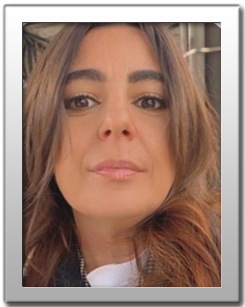
Introductive Keynote Anna Laura CAPRIOTTI - CV Sapienza University of Rome A Decade of the Liposome–Protein Corona:Lessons Learned and Future Breakthroughs in Theranostics |
 |
||||||||||
| FE.I.2.2 TT.I.H.2 |
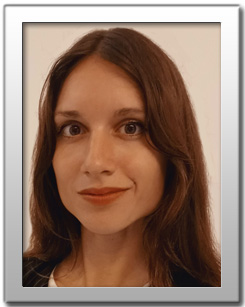
Erica QUAGLIARINI - CV Sapienza University of Rome Precision Medicine at the Nanoscale: the Role of Nanoparticle-Protein Corona in Diagnostics |
 |
||||||||||
| FE.I.2.3 TT.I.H.3 |
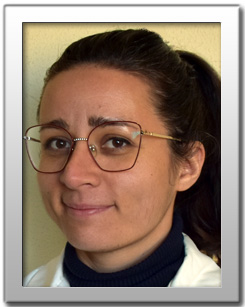
Francesca GIULIMONDI - CV Sapienza University of Rome Artificial Protein Corona for Enhanced LNP Gene Delivery to Glioblastoma |
 |
||||||||||
| FE.I.2.4 TT.I.H.4 |
Serena RENZI - CV Sapienza University of Rome Exploiting the Protein Corona for Functional LNP Design and Hepatic Gene Silencing |
 |
||||||||||
| FE.I.2.5 TT.I.H.5 |
Siyao XIAO - CV Sapienza University of Rome |
 |
||||||||||
| Round table on the Topic The session culminates in a dynamic 30-minute round-table discussion, sparked and moderated by the session chair and keynote speaker, bringing young and senior researchers together and actively engaging the audience in an open Q&A, fresh perspectives and new connections. |
||||||||||||
| ROOM 8 | ||||||||||||
| 11:30 - 13:00 PV devices of new conception with hybrid organic-inorganic materials FE.I.3 - TT.II.F |
||||||||||||
| Chair: Giulia GRANCINI, University of Pavia | ||||||||||||
| Hybrid materials for photovoltaics consist in the combinations of organic molecules and inorganic semiconductors as photoactive materials to harvest photons in a spectrally selective manner with adoption of a multilayer configuration. Such an approach brings about as advantages: 1) the attainment of controllable incident photon-to-electrical current conversion spectra thanks to the molecular design of organic absorbers and the development of synthetic procedures for the production of nanostructured inorganic materials also in the configuration of thin film; 2) adoption of low-cost solution-processing procedures for thin-film deposition; 3) possibility of using flexible substrates; 4) exploitation of the high charge mobility typical of inorganic semiconductors; 5) versatility in defining the PV cell configuration especially in terms of interface engineering (n-i-p/p-i-n schemes, bulk heterojunctions, semiconductor/electrolyte interfaces). In the class of hybrid systems for photovoltaics excel metal-halide perovskites and dye-sensitized nanostructured semiconductors of the metal-oxide type. This session aims to gather all young experts that are involved in the development of materials/configurations for hybrid photovoltaics. The efforts dedicated to the increase of the PV cell conversion efficiencies (either in the single- or multi-junction configurations), and to the improvement in terms of durability and temporal stability of the hybrid photovoltaic systems constitute paradigmatic aspects in this session. | ||||||||||||
| FE.I.3.1 TT.II.F.1 |
Introductive Keynote Aldo DI CARLO CNR-ISM Title in definition |
 |
||||||||||
| FE.I.3.2 TT.II.F.2 |
Elham GHAVIDEL - CV University of Rome "Tor Vergata" Effects of Ultrathin Seed Layers in Thermally Evaporated Perovskite Solar Cells |
 |
||||||||||
| FE.I.3.3 TT.II.F.3 |
Elisa NONNI University of Rome "Tor Vergata" Title in definition |
 |
||||||||||
| FE.I.3.4 TT.II.F.4 |
Simone FILIPPI - CV University of Pavia Static Antisolvent Processing for Scalable and Sustainable Perovskite Photovoltaics |
 |
||||||||||
| FE.I.3.5 TT.II.F.5 |
Riccardo PALLOTTA - CV Friedrich-Alexander-Universität Erlangen-Nürnberg (FAU) From Single Crystals to Functional Devices: Metal Halide Perovskite Materials and Junctions |
 |
||||||||||
| Round table on the Topic The session culminates in a dynamic 30-minute round-table discussion, sparked and moderated by the session chair and keynote speaker, bringing young and senior researchers together and actively engaging the audience in an open Q&A, fresh perspectives and new connections. |
||||||||||||
| ROOM 17 | ||||||||||||
| 11:30 - 13:00 Precision Nanomedicine FE.I.4 - TT.II.G |
||||||||||||
| Chair: Nicola D'AVANZO, University of Magna Graecia | ||||||||||||
| This session will explore emerging strategies in precision nanomedicine, highlighting the development of advanced nanoscale platforms for more targeted and effective diagnostic and therapeutic applications. Particular attention will be given to the design and optimization of innovative nanomaterials and delivery systems, their interactions with biological environments, and their potential to improve therapeutic outcomes. The session will provide a multidisciplinary perspective on current advances and future opportunities in the translation of nanotechnology toward increasingly precise and personalized healthcare solutions. | ||||||||||||
| FE.I.4.1 TT.II.G.1 |
Introductive Keynote Marzia DE SANTO NanoSilica srl, SpinOff Unical HER2-Targeted Mesoporous Silica Nanoparticles for Doxorubicin Delivery |
 |
||||||||||
| FE.I.4.2 TT.II.G.2 |
Beatrice PELLEGRINI University Magna Graecia of Catanzaro Fibroblast-derived extracellular vesicles preserve a Hyaluronic Acid/CD44-associated extracellular matrix signature and contribute to dermal-epidermal communication |
 |
||||||||||
| FE.I.4.3 TT.II.G.3 |
Ludovica LUCCHESI PALLI - CV University of Palermo Engineering Carbon Nanodots for Precision Theranostics: Dual-Mode Imaging Combined with Enhanced Photothermal Therapy |
 |
||||||||||
| FE.I.4.4 TT.II.G.4 |
Francesca Romana STACCHINI Sapienza University of Rome Non-Invasive Alzheimer’s Diagnosis by Innovative BODIPY-Based Ocular Delivery |
 |
||||||||||
| FE.I.4.5 TT.II.G.5 |
Jacopo FORTE - CV Catholic University of Sacred Heart Development and In Vitro/Ex Vivo Evaluation of an innovative Chitosan-Based Bioadhesive Nanoemulsion Platform for Localized Treatment of skin infection |
 |
||||||||||
| Round table on the Topic The session culminates in a dynamic 30-minute round-table discussion, sparked and moderated by the session chair and keynote speaker, bringing young and senior researchers together and actively engaging the audience in an open Q&A, fresh perspectives and new connections. |
||||||||||||
| ROOM 8 | ||||||||||||
| 14:00 - 15:30 Functional nanostructures and complex interfaces for sensing at the physical limits FE.I.5 - TT.III.F |
||||||||||||
| Chair: Antonio D'ALESSANDRO, Sapienza University of Rome | ||||||||||||
|
Sensing at the physical limits requires more than improving device sensitivity: it calls for functional nanostructures and complex interfaces capable of converting extremely weak molecular, optical, electrical or mechanical perturbations into robust, readable signals. This session will focus on emerging concepts, materials and devices where nanoscale architecture, interfacial biofunctionalization and collective phenomena enable the detection of rare events, down to the single-molecule or few-molecule regime. |
||||||||||||
| FE.I.5.1 TT.III.F.1 |
Introductive Keynote Gaetano SCAMARCIO - CV CNR-NANO & University of Bari Aldo Moro Emergent Cooperative Response to Single-Molecule Affinity Binding in Large-Area Biolayers |
 |
||||||||||
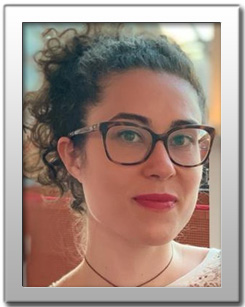
| FE.I.5.2 TT.III.F.2 |
Lucia SARCINA - CV University of Bari Next-Gen Portable Bio-Electronics Unlocking Single-Molecule Bio-Recognition at the Physical Limit |
 |
||||||||||
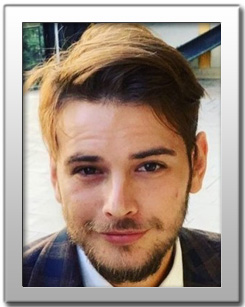
| FE.I.5.3 TT.III.F.3 |
Antonio Alessio LEONARDI - CV University of Messina Light-Emitting Silicon Nanowires A Versatile Photonic Platform for Biological and Environmental Sensing |
 |
||||||||||
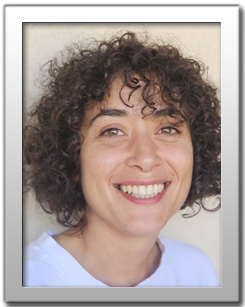
| FE.I.5.4 TT.III.F.4 |
Anna DE SALVO - CV ITT Organic bioelectronics interfaces for intraoperative high-resolution and transient electrophysiological sensing |
 |
||||||||||
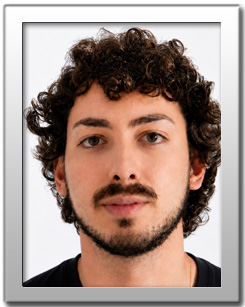
| FE.I.5.5 TT.III.F.5 |
Gioacchino SCHIFINO - CV Uppsala University A Computational-Experimental Study of Aptamer Recognition of West Nile Virus at Gold Interfaces |
 |
||||||||||
| Round table on the Topic The session culminates in a dynamic 30-minute round-table discussion, sparked and moderated by the session chair and keynote speaker, bringing young and senior researchers together and actively engaging the audience in an open Q&A, fresh perspectives and new connections. |
||||||||||||
| ROOM 17 | ||||||||||||
| 14:00 - 15:30 Bridging the gap: 3D and advanced models for nanomedicine and tissue regeneration FE.I.6 - TT.III.G |
||||||||||||
| Chairs: Laura CATENACCI & Michela SORRENTI, University of Pavia | ||||||||||||
| This session will explore the integration of advanced experimental models and nanotechnology to bridge the gap between fundamental research and biomedical applications. Particular attention will be given to innovative in vitro and preclinical models, advanced delivery platforms, and emerging approaches for studying biological interactions, tissue regeneration, and therapeutic responses. The session will highlight how physiologically relevant models can support the development, evaluation, and translation of novel nanomedicine-based strategies. | ||||||||||||
| FE.I.6.1 TT.III.G.1 |
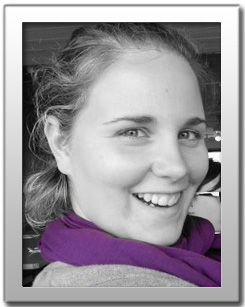
Sara PERTEGHELLA, University of Pavia, Department of Drug Sciences In vitro models for nose-to-brain delivery studies applied to nanoformulations Virginie SOTTILE - CV, University of Pavia, Department of Molecular Medicine Preclinical models of stem cell differentiation and tissue formation |
 |
 |
|||||||||
| FE.I.6.2 TT.III.G.2 |
Edoardo BERTANIA - CV University of Piemonte Orientale One platform, multiple carriers: microfluidics for nanoparticle- and vesicle-based drug delivery |
 |
||||||||||
| FE.I.6.3 TT.III.G.3 |
Sofia BELLIA - CV University of Palermo Nanomedicine for brain drug delivery: from design to microfluidic and 3D neurospheroid models |
 |
||||||||||
| FE.I.6.4 TT.III.G.4 |
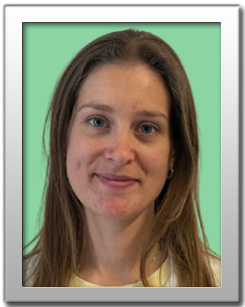
Rachele ROSSI - CV University of Pavia Nucleic acid-loaded lipid nanoparticles optimization and interaction with biological substrates |
 |
||||||||||
| FE.I.6.5 TT.III.G.5 |
Federica TIBERIO - CV Università Cattolica del Sacro Cuore Nano-ink–mediated RNA therapy for non-invasive treatment of craniofacial disorders |
 |
||||||||||
| Round table on the Topic The session culminates in a dynamic 30-minute round-table discussion, sparked and moderated by the session chair and keynote speaker, bringing young and senior researchers together and actively engaging the audience in an open Q&A, fresh perspectives and new connections. |
||||||||||||
| ROOM 8 | ||||||||||||
| 16:00 - 17:30 Space Missions and Nanotech: Advancements FE.I.7 - TT.IV.F |
||||||||||||
| Chair: Danilo Dini, Sapienza University of Rome | ||||||||||||
| The increase in number of space missions and envoy of satellites with various finalities of monitoring/control/connectivity has impacts of atmospheric/environmental type and can bring about orbital congestion, release of space debris as well as diffuse phenomena of radio interference. In this context it appears urgent to define, synthesize and assembly materials for the devices to launch, which limit their impact on the chemistry in the atmosphere (e.g. reactivity in the ozone layer), and in the phase of uncontrolled landing of residuals (e.g. dust from burning objects) with eventual effects on the atmospheric electricity. This session aims to gather all young material scientists that are involved in the nanotechnologies of characterization and of preparation of the materials constituting the devices to launch in the space missions. Particularly welcome are the contributions that deal with materials/device characterization procedures that simulate space conditions under controlled temperature and pressure. | ||||||||||||
| FE.I.7.1 TT.IV.F.1 |
Introductive Keynote Mirko ROCCI - CV Thales Alenia Space Advanced Nanomaterials and Quantum Devices: Enabling Technologies for Future Space Missions |
 |
||||||||||
| FE.I.7.2 TT.IV.F.2 |
Mousa Ali AL-RBAIEH - CV GST Advanced Micro and Nano Characterization: Leaded and Lead-Free Solder Joints for Cutting-Edge Space Applications |
 |
||||||||||
| FE.I.7.3 TT.IV.F.3 |
Laura VERDOLINI - CV Sapienza University of Rome Surface Functionalization Modulates the Antifungal Performance of Silver Nanoparticles |
 |
||||||||||
| FE.I.7.4 TT.IV.F.4 |
Margherita IZZI - CV ENEA Surface engineering of UHMWPE ropes with tungsten-based polyimide coatings for aerospace radiation shielding applications |
 |
||||||||||
| Round table on the Topic The session culminates in a dynamic 30-minute round-table discussion, sparked and moderated by the session chair and keynote speaker, bringing young and senior researchers together and actively engaging the audience in an open Q&A, fresh perspectives and new connections. |
||||||||||||
| ROOM 17 | ||||||||||||
| 16:00 - 17:30 Innovative Nanomaterials: Illuminating the Path to Precision Medicine 1/2 FE.I.8 - TT.IV.G |
||||||||||||
| Chair: Francesca PETRONELLA, CNR-IC | ||||||||||||
| Nanomaterials have long been regarded as a bridge connecting the molecular world with biological systems. Their application in medicine and biology has driven the rapid advancement of nanomedicine and nanobiotechnology, creating unprecedented opportunities for diagnosis, therapy, and personalized healthcare. This session aims to provide an overview of the latest advances in the development and application of nanomaterials for healthcare, encompassing both fundamental research and translational studies. Topics of interest will include the synthesis and characterization of nanomaterials for biomedical and therapeutic applications, stimuli-responsive nanostructures, nanomaterial-enabled advanced therapies, computational nanomedicine, and regenerative nanomedicine. Particular attention will be devoted to innovative approaches that leverage nanomaterials to improve treatment efficacy, precision, and patient outcomes. This session aims to inspire the development of next-generation precision medicine solutions by fostering a critical dialogue among young researchers working in nanomaterials, biotechnology, and nanomedicine. |
||||||||||||
| FE.I.8.1 TT.IV.G.1 |
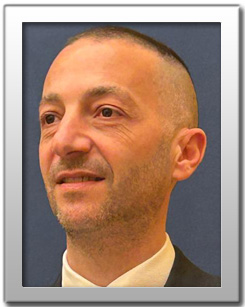
Introductive Keynote Luciano DE SIO - CV Sapienza University of Rome Photothermal nanomedicine: from cancer therapy to on-demand drug delivery |
 |
||||||||||
| FE.I.8.2 TT.IV.G.2 |
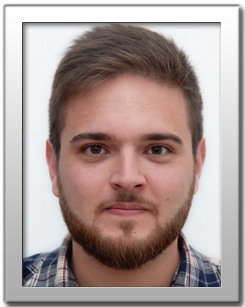
Vincenzo de MEI - CV Sapienza University of Rome Selective Photothermal Therapy of Glioblastoma with Anti-EGFR-Functionalized Gold Nanorods in a 3D Optical Setup Operating in the First Biological Window |
 |
||||||||||
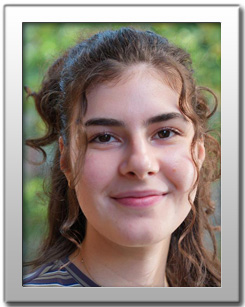
| FE.I.8.3 TT.IV.G.3 |
Martina GORCHILOVA - CV Sapienza University of Rome Gold Nanorod-Functionalized Smart Patchesfor Light-Triggered On-Demand Drug Delivery |
 |
||||||||||
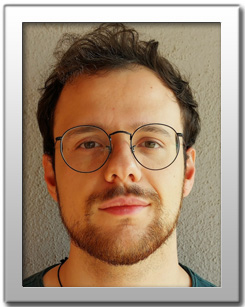
| FE.I.8.4 TT.IV.G.4 |
Federico PURIFICATO - CV Scuola Normale Superiore Hybrid Boron-Gold Nanoarchitectures for Boron Neutron Capture Therapy |
 |
||||||||||
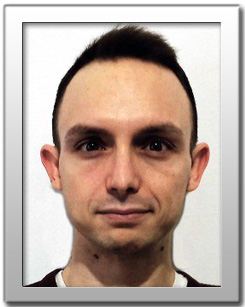
| FE.I.8.5 TT.IV.G.5 |
Alessandro PARADISI Unimore Glycan Detection with Electrolyte-Gated Transistors for Cancer Diagnostics |
 |
||||||||||
| Round table on the Topic The session culminates in a dynamic 30-minute round-table discussion, sparked and moderated by the session chair and keynote speaker, bringing young and senior researchers together and actively engaging the audience in an open Q&A, fresh perspectives and new connections. |
||||||||||||
| 17:30 - 20:00 Cocktail & Social |
||||||||||||
| 17 September | ||||||||||||
| CLOISTER ROOM | ||||||||||||
| 09:00 - 10:30 Innovative materials for electrochemical applications FE.I.9 - TT.V.C - WS.IV.7 |
||||||||||||
| Chair: Margherita MORENO, ENEA | ||||||||||||
| This session brings together contributions from early-career researchers working on innovative materials for electrochemical applications, spanning energy storage and energy conversion. From degradation mechanisms in advanced cathode materials and interfacial engineering for lithium-metal anodes, to catalytic materials for reforming processes, the presented works illustrate how materials-level innovation — from synthesis and structural design to electrochemical characterization — underpins the development of next-generation batteries and related electrochemical technologies. The session opens with a keynote overview of advanced battery technologies, setting the context for the contributions that follow. | ||||||||||||
|
FE.I.9.1 |
Introductive Keynote Gianni APPETECCHI ENEA Advanced battery technologies: A perspective overview |
 |
||||||||||
|
FE.I.9.2 |
Alyssa MANCINI - CV Sapienza University of Rome Understanding Structural and Electrochemical Degradation in Li-Rich Cathodes |
 |
||||||||||
|
FE.I.9.3 |
Daniele STELLATI - CV ENEA Bi-reforming of methane powered by Induction heating on 3D additevely manufactured gamma-alumina monoliths |
 |
||||||||||
| FE.I.9.4 TT.V.C.4 WS.IV.7.4 |
Cheikh Reda BERNAOUI - CV Sapienza University of Rome A Metal-Free PEO–LiNO₃ Interlayer for Uniform Lithium Deposition on Bare Copper Current Collectors in Anode-Less Lithium-Metal Batterie |
 |
||||||||||
| Round table on the Topic The session culminates in a dynamic 30-minute round-table discussion, sparked and moderated by the session chair and keynote speaker, bringing young and senior researchers together and actively engaging the audience in an open Q&A, fresh perspectives and new connections. |
||||||||||||
| ROOM 17 | ||||||||||||
| 09:00 - 10:30 Technology Transfer in Nanotech FE.I.10 - TT.V.G |
||||||||||||
| Chair: Christian CELIA, University of Magna Graecia | ||||||||||||
| This session will explore the pathways that enable nanotechnology-based research and innovation to move from the laboratory toward real-world applications. Particular attention will be given to the challenges and opportunities associated with technology transfer, scale-up and sustainability. Bringing together perspectives from different scientific and technological fields, the session will highlight the importance of connecting research, innovation, and industry to speed up the translation of emerging technologies into practical applications. | ||||||||||||
| FE.I.10.1 TT.V.G.1 |
Introductive Keynote Agnese RUDZATE University of Latvia, Riga, Latvia Latvia Finally Opens a New Chapter in Science Commercialisation: What Does It Mean for Researchers, Universities, Industry and Investors? |
 |
||||||||||
| FE.I.10.2 TT.V.G.2 |
Elisa RAVESIO Polytechnic University of Turin Scaling Up Silicon-Dominant Anodes: Rheological Control and Bio-Based Binders for Pilot-Scale Battery Electrode Manufacturing |
 |
||||||||||
| FE.I.10.3 TT.V.G.3 |
Jorge MONTERO - CV Sapienza University of Rome Design of Bifunctional Electrocatalysts for Unitized Regenerative Fuel Cells |
 |
||||||||||
| FE.I.10.4 TT.V.G.4 |
Myriam D'ALU' - CV Sapienza University of Rome Direct Recycling Approaches for the Recovery and Regeneration of Cathode Materials |
 |
||||||||||
| Round table on the Topic The session culminates in a dynamic 30-minute round-table discussion, sparked and moderated by the session chair and keynote speaker, bringing young and senior researchers together and actively engaging the audience in an open Q&A, fresh perspectives and new connections. |
||||||||||||
| ROOM 17 | ||||||||||||
| 11:30 - 13:00 Innovations in Nano-Technologies for Extracellular Vesicle Characterization FE.I.11 - TT.VI.F |
||||||||||||
| Chairs: Giovanna SCHIAVONI - CV & Fabrizio MATTEI - CV, ISS | ||||||||||||
| This session highlights the cutting‑edge contributions of emerging young research leaders pushing the boundaries of nano‑enabled technologies for the characterization and monitoring of extracellular vesicles (EVs) and other nanoparticles. Their multidisciplinary work spans advanced spectroscopy platforms (Fourier-Transform Infrared spectroscopy and Surface-enhanced Raman scattering spectroscopy), EV-based organ‑on‑chip systems, innovative in vitro immune and mucosal models, and nano‑engineered platforms for functional EV studies. These early‑career innovators bring novel perspectives and disruptive approaches that accelerate progress in oncology, immunology, and EV diagnostics. Together, their presentations showcase how the new generation of scientists is redefining the role of EVs as reference precision biomarkers and bioactive mediators within next‑generation nano‑medical strategies. | ||||||||||||
| FE.I.11.1 TT.VI.F.1 |
Daniela RICCI - CV ISS‑DMI Application of human in vitro immune and nasal models to evaluate mRNA-lipid nanoparticles delivery and immunogenicity |
 |
||||||||||
| FE.I.11.2 TT.VI.F.2 |
Adriana Rosa GAMBARDELLA - CV ISS‑OMM Innovative Strategies Using Immune‑Derived Extracellular Vesicles and Epigenetic Drugs: A Nano‑Scale/Organ-on-Chip Framework for Melanoma Therapy |
 |
||||||||||
| FE.I.11.3 TT.VI.F.3 |
Benedetta NICCOLINI - CV University Cattolica del Sacro Cuore Advancing FTIR Spectroscopy for High‑Resolution Molecular Profiling of Tumor‑Derived Extracellular Vesicles: Insights from a Rising Expert in Nano‑Spectroscopic Technologies |
 |
||||||||||
| FE.I.11.4 TT.VI.F.4 |
Bianca DUMONTEL - CV Department of Applied Science and Technology, Polytechnic University of Turin Mimicking natural extracellular vesicles to engineer targeted nanoparticles |
 |
||||||||||
| Round table on the Topic The session culminates in a dynamic 30-minute round-table discussion, sparked and moderated by the session chair and keynote speaker, bringing young and senior researchers together and actively engaging the audience in an open Q&A, fresh perspectives and new connections. |
||||||||||||
| ROOM 11 | ||||||||||||
| 11:30 - 13:00 Impacts of Nanomaterials and New Advanced Materials on Health and Safety in the Workplace FE.I.12 - TT.VI.G - WS.I.1 |
||||||||||||
| Chair: Fabio BOCCUNI, INAIL | ||||||||||||
| The manufacturing and use of new and advanced materials introduces emerging sources of emission of nanoscale particles in the work environment. The concerns are closely linked to the potential health effects of ultrafine particles for exposed workers, although the scientific evidence should be still improved to support this relationship. New safe and sustainable by-design approaches have been developed by application of the precautionary principle, to support enterprises in reducing the gap between the rapid growing of products marketplace and the risk management actions needed for the regulatory requirements. In parallel, opportunities provided by the application of the innovative properties of nanotechnologies may contribute to improving occupational health and safety levels, also in applications to the traditional risks. In this view materials with new and enhanced properties could be integrated into sensors and new technological devices to support the early detection of harmful substances in the work environment (i.e. chemical, carcinogenic and biological agents). The scope of the session is to explore new methodological approaches and innovative risk assessment and monitoring tools to guarantee a healthy and safe workplace in the near future. | ||||||||||||
| FE.I.12.1 TT.VI.G.1 WS.I.1.1 |
Introductive Keynote Francesca SEBASTIANI IIT Integrated approaches for occupational risk assessment of nanomaterials and advanced materials: challenges, case studies and future perspectives |
 |
||||||||||
| FE.I.12.2 TT.VI.G.2 WS.I.1.2 |
Taljinder SINGH - CV INAIL Micro and nanoplastics emissions during car body repair activities |
 |
||||||||||
| FE.I.12.3 TT.VI.G.3 WS.I.1.3 |
Marco CONTI - CV INAIL Airborne wood dust exposure scenario characterization |
 |
||||||||||
| FE.I.12.4 TT.VI.G.4 WS.I.1.4 |
Sajjad RASMI - CV Sapienza University of Rome CFD modelling of nanoparticles emissions in a laboratory experimental set up: preliminary results and simulations |
 |
||||||||||
| FE.I.12.5 TT.VI.G.5 WS.I.1.5 |
Michele DE ROSA Sapienza University of Rome Integrating Drosophila melanogaster and NMR metabolomics for nanotoxicology studies of TiO₂ exposure |
 |
||||||||||
| FE.I.12.6 TT.VI.G.6 WS.I.1.6 |
Eleonora MONTI - CV IIT Smart electrochemical sensor for pathogen detection in healthcare structures |
 |
||||||||||
| Round table on the Topic The session culminates in a dynamic 30-minute round-table discussion, sparked and moderated by the session chair and keynote speaker, bringing young and senior researchers together and actively engaging the audience in an open Q&A, fresh perspectives and new connections. |
||||||||||||
| ROOM 8 | ||||||||||||
| 14:00 - 15:30 Advanced Transducers for Smart Sensing FE.I.13 - TT.VII.F |
||||||||||||
| Chair: Fabiana ARDUINI, University of Rome "Tor Vergata” | ||||||||||||
| The topic of transducers and the related study of the mechanisms at the basis of the operation of sensors is typically interdisciplinary since it involves the conversion of physical, chemical, biological, nuclear or medical stimuli into an electrical signal (current of voltage) which is easy to monitor, record and correlate thanks to the available tools of processing and control, e.g. internet-of-things (IoT) or artificial intelligence (AI). In this context nanotechnologies can contribute at a large extent with the preparation and the development of smart materials (organic, inorganic and hybrids) through the fine control of chemical composition, structure, configuration and interfaces in order to generate an electrical potential difference and/or an electrical current relatable to the amount and nature of the analytes. Terms like selectivity, specificity and rapidity of response are paradigmatic in the search of advanced sensors based on smart materials with the nanotechnologies contributing in abating limits of detection and improving selectivity of analysis when the analytes are represented by in vivo systems, or constituted by rapidly evolving chemical species, complex multicomponent mixtures, or dangerous products among others. This session aims to gather all young experts that are involved in the development of sensors/transducers with high sensitivity and selectivity taking advantage of the progresses in nanotechnologies and in the control of the matter at the nanometer level. | ||||||||||||
| FE.I.13.1 TT.VII.F.1 |
Introductive Keynote Luisa TORSI - CV University of Bari From Ensemble Binding to Single-Molecule Statistics in large area biosensing devices |
 |
||||||||||
| FE.I.13.2 TT.VII.F.2 |
Luca FIORE - CV Tor Vergata University of Rome From laboratory innovation to market-oriented diagnostics: a wearable paper-based sensor for sweat chloride determination in cystic fibrosis |
 |
||||||||||
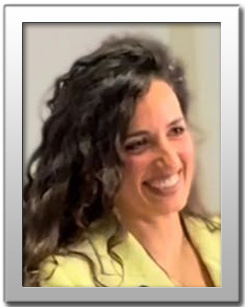
| FE.I.13.3 TT.VII.F.3 |
Martina MERCURIO - CV Sapienza University of Rome Large-Area α-MoO₃ Thin Films via Pulsed Laser Deposition for Polariton-Enhanced Infrared Molecular Sensing |
 |
||||||||||
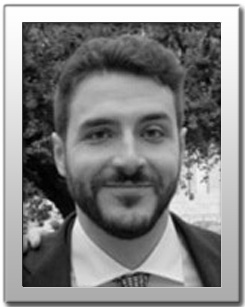
| FE.I.13.4 TT.VII.F.4 |
Nicola PESCE - CV Sapienza University of Rome From Graphene-Based Smart Textiles to AI-Assisted Transduction for In-Bed Posture Recognition |
 |
||||||||||
| FE.I.13.5 TT.VII.F.5 |
Negin FARAMARZI - CV Sapienza University of Rome Carbon-Based Printed Electronics for High-Resolution Smart Insole Applications |
 |
||||||||||
| Round table on the Topic The session culminates in a dynamic 30-minute round-table discussion, sparked and moderated by the session chair and keynote speaker, bringing young and senior researchers together and actively engaging the audience in an open Q&A, fresh perspectives and new connections. |
||||||||||||
| ROOM 17 | ||||||||||||
| 14:00 - 15:30 Nanotechnology and mechanobiology in health and disease FE.I.14 - TT.VII.G |
||||||||||||
| Chair: Livia ANGELONI, Sapienza University of Rome | ||||||||||||
| Mechanobiology investigates how cells sense and respond to mechanical cues from their surrounding environment and how these interactions regulate cellular function, tissue organization, and disease progression. This session will explore how nanotechnology and advanced nanoscale approaches are advancing our understanding of the interplay between cellular mechanics, the extracellular microenvironment, and external mechanical forces. A range of innovative experimental approaches will be presented, spanning engineered three-dimensional microenvironments, advanced optical techniques, and nanoscale mechanical measurements. These technologies provide new opportunities to characterize the mechanical properties of cells and tissues and to investigate how mechanical cues influence cell–matrix interactions and cellular behavior. Particular emphasis will be placed on the role of mechanics in cancer, including the interaction between tumor cells and the immune microenvironment and the mechanical heterogeneity associated with different cellular phenotypes and levels of aggressiveness. Together, these studies highlight the importance of considering both the mechanical properties of cells and their physical environment when investigating disease mechanisms. By bringing together complementary approaches across nanotechnology, bioengineering, biophysics, and cancer biology, the session will provide a multidisciplinary perspective on emerging concepts and technologies in mechanobiology and their potential to advance our understanding of health and disease. |
||||||||||||
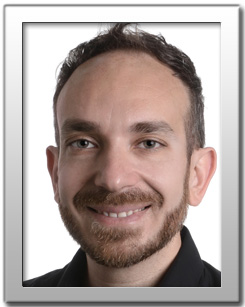
| FE.I.14.1 TT.VII.G.1 |
Introductive Keynote Enrico Domenico LEMMA - CV Campus Bio-Medico University of Rome Mechanobiology in Engineered 3D Microenvironments: Advanced In Vitro Platforms to decipher Cell–Matrix Interactions |
 |
||||||||||
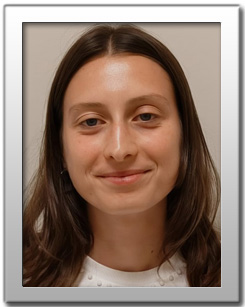
| FE.I.14.2 TT.VII.G.2 |
Elena TOMASELLI - CV Sapienza University of Rome Multimodal AFM-Based Rheology of Tumor-Associated Macrophages Using Piezoelectric and Photothermal Actuation |
 |
||||||||||
| FE.I.14.3 TT.VII.G.3 |
Giulia BAGNATO - CV University of Rome Sapienza & Catholic University of the Sacred Heart Heterogeneity in mechanosensitivity to external mechanical loads of osteosarcoma cells with different aggressiveness |
|
||||||||||
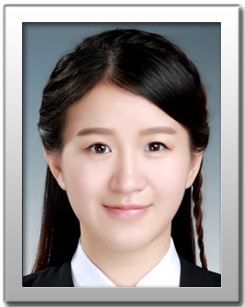
| FE.I.14.4 TT.VII.G.4 |
Li ZHANG IIT Brillouin Microscopy as a Tool for Probing Mechanics: Principles and Implementations |
 |
||||||||||
| FE.I.14.5 TT.VII.G.5 |
Noemi D'ABBONDANZA IIT Brillouin Microscopy as a Tool for Probing Mechanics:Biomedical Applications |
 |
||||||||||
| Round table on the Topic The session culminates in a dynamic 30-minute round-table discussion, sparked and moderated by the session chair and keynote speaker, bringing young and senior researchers together and actively engaging the audience in an open Q&A, fresh perspectives and new connections. |
||||||||||||
| ROOM 28 | ||||||||||||
| 16:00 - 17:30 From Research to Startup: Bridging Innovation and Entrepreneurship FE.I.15 - TT.VIII.A - WS.III.8 |
||||||||||||
| Chair: Mara SERRAPEDE, Polytechnic University of Turin | ||||||||||||
| Nanotechnologies are generating disruptive innovations with the potential to address major societal and industrial challenges. Translating scientific discoveries into entrepreneurial opportunities requires not only technological advancement, but also the identification of relevant market needs, viable value propositions, appropriate business models, and effective strategies for technology development and commercialization. Young researchers increasingly represent a driving force in this transition, combining scientific expertise with an entrepreneurial perspective to develop research-driven startup ideas and emerging technology-based ventures. The ability to clearly articulate the technological opportunity, the unmet need addressed, the proposed solution, its competitive advantage, and the pathway towards market adoption represents a crucial step in the early development of such initiatives. The Young Innovation segment will bring together early-stage entrepreneurial projects originating from academic research, presented through concise business-oriented pitches. The presentations will provide an opportunity to discuss the technological and commercial potential of each proposed venture, with particular attention to value proposition, target market, competitive landscape, intellectual property, scalability, and development strategy. A panel of experts with complementary expertise in research, technology transfer, entrepreneurship, and industry will provide critical feedback on the presented ideas, identifying opportunities, potential bottlenecks, and key aspects requiring further development. The interaction between young innovators and the panel is intended to foster constructive discussion and support the refinement of research-driven ideas along their transition towards viable entrepreneurial initiatives. |
||||||||||||
| FE.I.15.1 TT.VIII.A.1 WS.III.8.1 |
Introductive Keynote Pietro ZACCAGNINI - CV (Remote) Polytechnic University of Turin From laboratory discovery to market ready technology: the role of research and innovation infrastructures in energy storage entrepreneurship |
 |
||||||||||
| FE.I.15.2 TT.VIII.A.2 WS.III.8.2 |
Luisa BAUDINO - CV Polytechnic University of Turin Graphene Oxide-based membranes for energy and raw materials recovery applications: a scalable journey |
 |
||||||||||
| FE.I.15.3 TT.VIII.A.3 WS.III.8.3 |
Giacomo SPISNI - CV Polytechnic University of Turin & IIT Founding your next deep tech startup: tips and tricks from a work-in-progress |
 |
||||||||||
| FE.I.15.4 TT.VIII.A.4 WS.III.8.4 |
Simona VILLATA - CV Polytechnic University of Turin SelSkin: Advancing Human-Relevant Skin Models for Next-Generation Preclinical Research |
 |
||||||||||
| Round table on the Topic The session culminates in a dynamic 30-minute round-table discussion, sparked and moderated by the session chair and keynote speaker, bringing young and senior researchers together and actively engaging the audience in an open Q&A, fresh perspectives and new connections. |
||||||||||||
| ROOM 17 | ||||||||||||
| 16:00 - 17:30 Biofabrication for Clinical Translation: From Advanced Technologies to Patient-Relevant Models FE.I.16 - TT.VIII.F |
||||||||||||
| Chair: Michele CONTI, University of Pavia | ||||||||||||
| Advanced biofabrication is rapidly transforming the development of physiologically relevant models for tissue engineering, disease modelling and regenerative medicine. This session welcomes contributions on innovative biofabrication strategies, with particular emphasis on clinical translation. The session will address studies integrating patient-specific features, clinician-driven design, comparison with native tissues, and validation under physiologically and pathologically relevant conditions. |
||||||||||||
| FE.I.16.1 TT.VIII.F.1 |
Introductive Keynote Carmine GENTILE University of Sydney & Harvard Medical School Towards advanced bioinks for cardiac tissue engineering |
 |
||||||||||
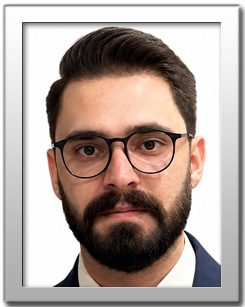
| FE.I.16.2 TT.VIII.F.2 |
Amirhossein ELAHI - CV Department of Molecular Medicine, Centre for Health Technologies, University of Pavia Development of Tunable Alginate–Gelatin Bioinks for 3D Bioprinted Triple-Negative Breast Cancer Models |
 |
||||||||||
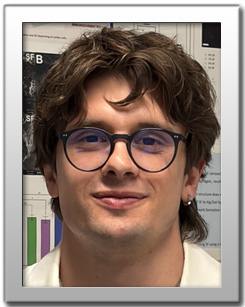
| FE.I.16.3 TT.VIII.F.3 |
Federico DI TOLLA - CV Department of Mechanical and Aerospace Engineering, Sapienza University of Rome GelMA Microgels as a Novel Platform to Promote Pathophysiological Vascularization in Cardiac Organoids |
 |
||||||||||
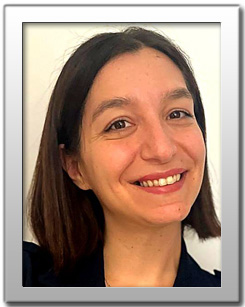
| FE.I.16.4 TT.VIII.F.4 |
Teresa BARRA - CV Department of Biology, University of Naples Federico II Perfusion-Driven Vessel Organization in 3D Bioprinted Constructs Using bEnd.3 Endothelial Cells |
 |
||||||||||
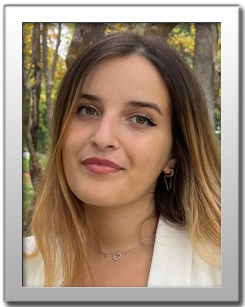
| FE.I.16.5 TT.VIII.F.5 |
Luana DI LISA - CV Department of Chemistry "G. Ciamician", University of Bologna GelMA-Alginate Interpenetrating Polymeric Network (IPN) for a 3D Bioprinted Liver Model to Study Plasticizer Toxicity |
 |
||||||||||
| Round table on the Topic The session culminates in a dynamic 30-minute round-table discussion, sparked and moderated by the session chair and keynote speaker, bringing young and senior researchers together and actively engaging the audience in an open Q&A, fresh perspectives and new connections. |
||||||||||||
| 17:30 - 20:00 Cocktail & Social |
||||||||||||
| 18 September | ||||||||||||
| ROOM 8 | ||||||||||||
| 09:00 - 10:30 Sapienza next PhD generation FE.I.17 - TT.IX.F |
||||||||||||
| Chair: Daniele PASSERI, Sapienza University of Rome | ||||||||||||
| Graduate students embarking on their doctoral studies represent the seeds of the next generation of researchers and scientists. Sapienza recognizes its PhD students as an invaluable asset and an investment in the future. This session aims to provide an opportunity for current Sapienza PhD students to showcase their research activities and engage in dialogue with their peers and with more experienced researchers, for a reciprocal enrichment. | ||||||||||||
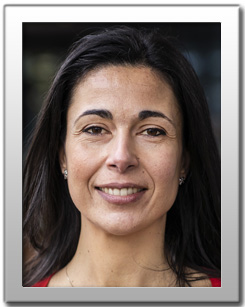
| FE.I.17.1 TT.IX.F.1 |
Introductive Keynote Livia ANGELONI Sapienza University of Rome Title in definition |
 |
||||||||||
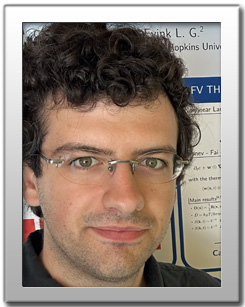
| FE.I.17.2 TT.IX.F.2 |
Andrea BONANNO - CV Sapienza University of Rome Phase transitions: a mesoscale bridge between the nano and the macroscale |
 |
||||||||||
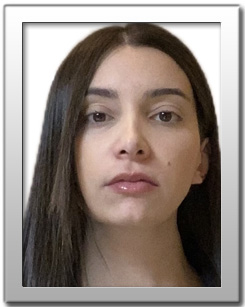
| FE.I.17.3 TT.IX.F.3 |
Eleonora D'INTINO - CV Sapienza University of Rome Microfluidic-based development of pH-sensitive olaparib-loaded loposomes for ovarian cancer: Assessment in 2D and 3D tumor models |
 |
||||||||||
| FE.I.17.4 TT.IX.F.4 |
Isabella SANTANCHÉ - CV Sapienza University of Rome Wurtzite GaAsxP1–x Nanowires: micro-Raman and micro-Photoluminescence Studies |
 |
||||||||||
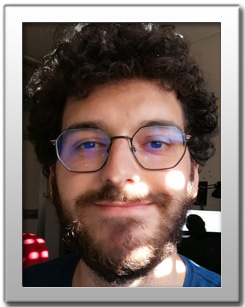
| FE.I.17.5 TT.IX.F.5 |
Paolo DE VINCENZI - CV Sapienza University of Rome Quantum Light Emission from GaAsxP1–x Quantum Dots in Wurtzite GaP Nanowires |
 |
||||||||||
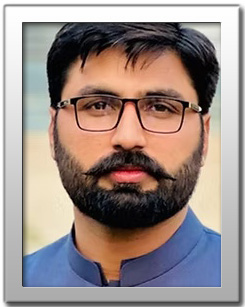
| FE.I.17.6 TT.IX.F.6 |
Muhammad TAHIR - CV Sapienza University of Rome Optical study of Hydrogen Diffusion and Hydrogenation-Driven Bandgap Engineering in InN Nanowires |
 |
||||||||||
| Round table on the Topic The session culminates in a dynamic 30-minute round-table discussion, sparked and moderated by the session chair and keynote speaker, bringing young and senior researchers together and actively engaging the audience in an open Q&A, fresh perspectives and new connections. |
||||||||||||
| ROOM 17 | ||||||||||||
| 09:00 - 10:30 Nanomaterials for Sensing and Biosensing: A One Health Perspective FE.I.18 - TT.IX.G |
||||||||||||
|
Chair: Luciano DE SIO, Sapienza University of Rome
|
||||||||||||
| This experience of SARS-CoV-2 pandemic has spotlighted the need of a paradigm shift from a man-centered approach toward a One Health perspective, which recognizes the interconnection among human, animal and environment ecosystems. Monitoring several environmental compartments, through sensors and biosensors, can provide real-time, early warning, and predictive insights into human health status and disease risk. Emerging needs include, but are not limited to, multiplex and ultrasensitive detection, personalized monitoring, remote sensing, AI interoperability, wearable sensors, and user-friendly devices. In this pursuit, a variety of nanomaterials, integrated with biomolecules, biomaterials and soft matter, have gained significant attentions as sensor components due to their tunable properties for recognition of different target. The present session aims to collect the latest advancements in the use of nanomaterials for addressing novel sensing and biosensing challenges, from the perspective of young researchers. Key topics include colloidal nanoparticles for optical and electrochemical detection, 2D nanostructures for sensing and biosensing, integration of biological molecules with materials at micro and nano scales, novel nanomaterial-enabled transduction technologies. By bringing together early-career researchers working at the interface of nanomaterials and biosensing, the session aims to stimulate interdisciplinary dialogue on next-generation (bio)sensing technologies for One Health applications. | ||||||||||||
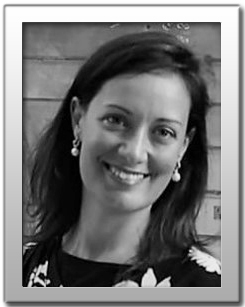
| FE.I.18.1 TT.IX.G.1 |
Introductive Keynote Francesca PETRONELLA CNR-IC Engineering Plasmonic Biointerfaces for Point-of-Use Environmental and Health Sensing |
 |
||||||||||
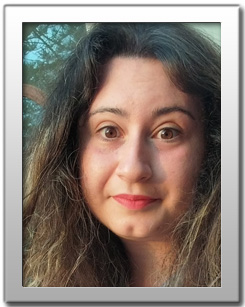
| FE.I.18.2 TT.IX.G.2 |
Maria Laura SFORZA - CV Sapienza University of Rome Gene delivery is crucial for advanced |
 |
||||||||||
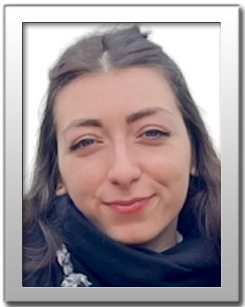
| FE.I.18.3 TT.IX.G.3 |
Aurora PATRIZI - CV Scuola Normale Superiore Polydopamine-Based Nanoparticles as Versatile Platforms for Advanced Lateral Flow Diagnostics |
 |
||||||||||
| FE.I.18.4 TT.IX.G.4 |
Lorenzo FIORENTINI Marche Polytechnic University Highly sensitive liquid crystal-based biosensor for quantitative detection of proteins |
|
||||||||||
| FE.I.18.5 TT.IX.G.5 |
Doğa YUCE - CV Konya Technical University & FBK Carbon Quantum Dot-Assisted Ultrafast Detection of Pesticides Based on Fluorescence Quenching |
|
||||||||||
| Round table on the Topic The session culminates in a dynamic 30-minute round-table discussion, sparked and moderated by the session chair and keynote speaker, bringing young and senior researchers together and actively engaging the audience in an open Q&A, fresh perspectives and new connections. |
||||||||||||
| ROOM 8 | ||||||||||||
| 11:30 - 13:00 Nanotechnologies for Analysis, Certification and Custom Services FE.I.19 - TT.X.F |
||||||||||||
| Chair: Danilo Dini, Sapienza University of Rome | ||||||||||||
| The advancements of materials science following the development of nanosciences in the last decades has brought about an enormous growth in complexity as far as procedures of synthesis, manipulation, analysis, and characterization of materials are concerned. This is consequence of the increased capabilities of the presently available analytical techniques in terms of sensitivity, spatial and temporal resolution, selectivity, information storage and specificity of the responses provided by the materials (or their assemblies in complete devices) under investigation and demonstrate the chemical, physical and morphological control of the matter at the nanometer level. A particularly sensitive ambit is the activity of analysis of the goods (to be here intended as complex mixtures of materials and substances) that transit at customs. Such an activity can face risks of goods contamination (uncontrolled or deliberate), evaluation of potential dangers/threats associated with the use/misuse of the goods and it is often confronted with problems that do not have any previous reference despite the availability of machine learning and artificial intelligence tools. Given the practical impossibility of delimitate the range of materials that constitute goods and can span from drugs, cosmetics, food, to metals/semiconductors for electronics/energy, this session is open to all young researchers and experts that deal at some extent with analysis accreditation, certification services through the testing of materials with nanotechnologies and make use of specialized analytical capabilities also for the actualization of modifications at the procedural and legislative levels. | ||||||||||||
| FE.I.19.1 TT.X.F.1 |
Introductive Keynote Gennaro PICARDI Agenzia delle Dogane e dei Monopoli Chemical analysis at the customs laboratories: microscopic and spectroscopic material characterization at the reduced scale |
|
||||||||||
| FE.I.19.2 TT.X.F.2 |
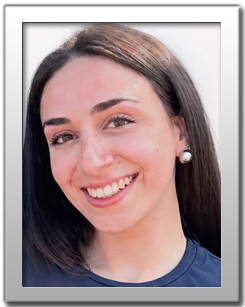
Elvira MARTINO - CV Sapienza University of Rome Development and In Vitro Characterization of Peptide-Loaded Niosomes for Topical Delivery |
 |
||||||||||
| FE.I.19.3 TT.X.F.3 |
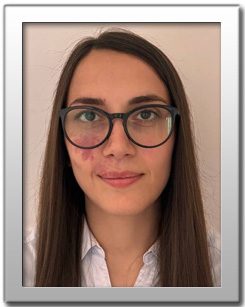
Emanuela DI BIASE - CV University of Perugia Fluorescence based assessment of PEG assisted fusion between cationic liposomes and bovine milk extracellular vesicles |
 |
||||||||||
| FE.I.19.4 TT.X.F.4 |
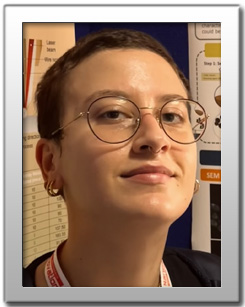
Mirandi PARISI - CV University of Roma Tre At the intersection of plasmonics, nonlinear optics and microfluidics: chiral gold nanoparticles as a new approach to biosensing |
 |
||||||||||
| Round table on the Topic The session culminates in a dynamic 30-minute round-table discussion, sparked and moderated by the session chair and keynote speaker, bringing young and senior researchers together and actively engaging the audience in an open Q&A, fresh perspectives and new connections. |
||||||||||||
| ROOM 17 | ||||||||||||
| 11:30 - 13:00 Cultivating Connections: Renewable Resources and Circular Solutions for Health, Nutrition and Engineering FE.I.20 - TT.X.G |
||||||||||||
| Chair: Antonia MANCUSO, University of Magna Graecia | ||||||||||||
| Nature and renewable resources offer unique opportunities for the development of innovative and sustainable technologies across multiple fields. This session will explore how natural materials, bioactive compounds, and renewable or recovered resources can be transformed into advanced solutions for health, nutrition, and engineering. By connecting different fields and application areas, the session will highlight the potential of sustainable design, resource valorization, and circular approaches to address emerging the incoming challenges. | ||||||||||||
| FE.I.20.1 TT.X.G.1 |
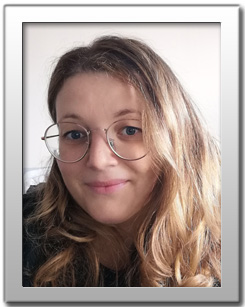
Introductive Keynote Delia MANDRACCHIA - CV University of Brescia Learning from Nature, Discovering through Science: A Nanosystem Platform from Natural and Renewable Resources |
 |
||||||||||
| FE.I.20.2 TT.X.G.2 |
Dorotea FIORE University Magna Graecia of Catanzaro Liquid Crystal Nanocarries for topical delivery of natural bioactive compounds: from development to biological activity |
 |
||||||||||
| FE.I.20.3 TT.X.G.3 |
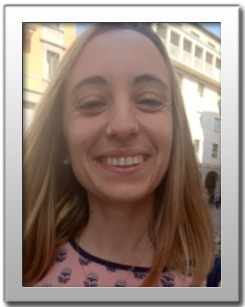
Caterina EVANGELISTI - CV Università Politecnica delle Marche Innovative food-grade bioinks: different applications of natural polymers in 3D bioprinting |
 |
||||||||||
| FE.I.20.4 TT.X.G.4 |
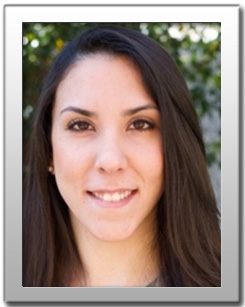
Maria Gioia FABIANO - CV Sapienza University of Rome Essential oil-loaded chitosan liposomes as a smart strategy to extend the shelf life of blueberries |
 |
||||||||||
| FE.I.20.5 TT.X.G.5 |
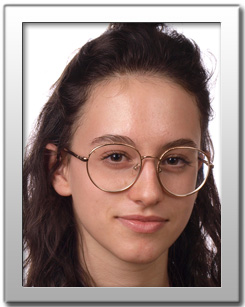
Ottavia PINTO - CV University of Udine From Bone Waste to Environmental Remediation: Hydroxyapatite-Based Materials for Metal Immobilization |
 |
||||||||||
| Round table on the Topic The session culminates in a dynamic 30-minute round-table discussion, sparked and moderated by the session chair and keynote speaker, bringing young and senior researchers together and actively engaging the audience in an open Q&A, fresh perspectives and new connections. |
||||||||||||
| ROOM 17 | ||||||||||||
| 14:00 - 15:30 Emerging technologies for advanced therapeutics FE.I.21 - TT.XI.D |
||||||||||||
| Chair: Emanuela Fabiola CRAPARO, University of Palermo | ||||||||||||
| The success of modern drug and gene therapeutics depends not only on the development of innovative therapeutic agents but also on effective targeted delivery strategies capable of overcoming biological barriers. This session will explore advanced delivery approaches, including next-generation carriers for nucleic acids and small molecules, as well as tissue- and cell-targeted systems. The session will also highlight emerging concepts, including the contribution of mechanobiology and the influence of the cellular microenvironment on therapeutic delivery and performance, and the growing role of theranostic strategies that integrate diagnosis and therapy to enable more precise and personalized treatment. The session will provide an overview of emerging delivery technologies while encouraging interdisciplinary dialogue. |
||||||||||||
| FE.I.21.1 TT.XI.D.1 |
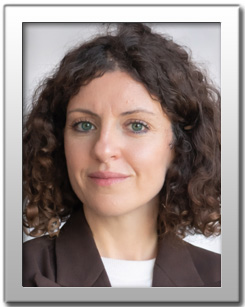
Introductive Keynote Nina BONO Polytechnic University of Milan Innovative strategies for non-viral gene delivery: mechanobiology to overcome biological barriers |
 |
||||||||||
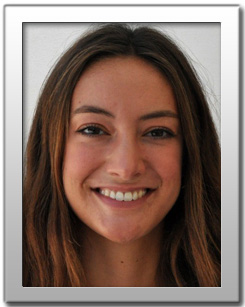
| FE.I.21.2 TT.XI.D.2 |
Flaminia FRUZZETTI Polytechnic University of Milan Boosting non-viral gene delivery by osmotic shock: mechanistic insights into nucleic acid-dependent transfection efficiency |
 |
||||||||||
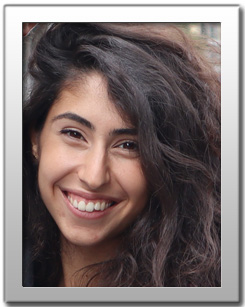
| FE.I.21.3 TT.XI.D.3 |
Sofia BONSIGNORE - CV University of Palermo Nebulized polysaccharide-based polyplexes unlock efficient pulmonary RNAi therapy |
 |
||||||||||
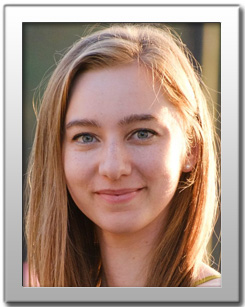
| FE.I.21.4 TT.XI.D.4 |
Francesca CADAMURO - CV University of Milano-Bicocca Glycoengineered 3D Bioprinted Glioblastoma Models: From In Silico Design to Personalized Medicine Application |
 |
||||||||||
| Round table on the Topic The session culminates in a dynamic 30-minute round-table discussion, sparked and moderated by the session chair and keynote speaker, bringing young and senior researchers together and actively engaging the audience in an open Q&A, fresh perspectives and new connections. |
||||||||||||